On This Page
Why R+L Carriers Trucks Can Be Dangerous on the Road
R+L Carriers operates a large fleet of freight trucks out of its headquarters in Wilmington, Ohio, delivering goods across state and local routes. The combination of tight delivery schedules, long hours on the road, and heavy loads creates conditions that can make these trucks particularly hazardous for both drivers and other motorists.
Drivers may face:
- Long hours with minimal breaks – Extended shifts can lead to fatigue, slower reaction times, and reduced focus, increasing the likelihood of mistakes while handling a large truck.
- Pressure to meet tight delivery deadlines – Drivers may feel compelled to speed, make abrupt lane changes, or rush through intersections to stay on schedule, creating unsafe conditions.
- Limited training for specific routes or residential deliveries – While R+L Carriers provides general freight training, navigating narrow roads, busy intersections, and local streets can be challenging and increase the risk of collisions.
- Heavy loads affecting vehicle control – The weight of freight affects braking distance, turning ability, and overall maneuverability, making accidents more severe and harder to avoid.
- Distractions inside the cab – GPS systems, load tracking devices, and communication tools can divert a driver’s attention from the road, even for a moment, with potentially serious consequences.
Because of these factors, even relatively minor collisions can result in serious injuries, property damage, and long-term consequences. Understanding these risks is essential when pursuing a personal injury case involving an R+L Carriers truck accident.
Common Causes of R+L Carriers Truck Accidents
Truck accidents often involve multiple contributing factors. Determining the cause is critical for establishing liability in Ohio and for pursuing fair compensation. Some of the most common causes include:
Driver Error
Fatigue, distraction, and poor decision-making are among the leading causes of R+L Carriers truck accidents. Drivers who operate heavy trucks while tired or distracted may misjudge stopping distances, fail to notice hazards, or make unsafe maneuvers. Even brief lapses in attention can result in serious collisions due to the size and weight of these vehicles.
Improper Vehicle Maintenance
Mechanical failures, such as brake malfunctions, tire blowouts, or steering issues, can prevent drivers from safely controlling their trucks. If R+L Carriers or a third-party maintenance provider failed to properly inspect or repair the vehicle, the company may be liable for resulting accidents. Regular maintenance is critical for preventing dangerous crashes.
Unsafe Loading or Freight Shifts
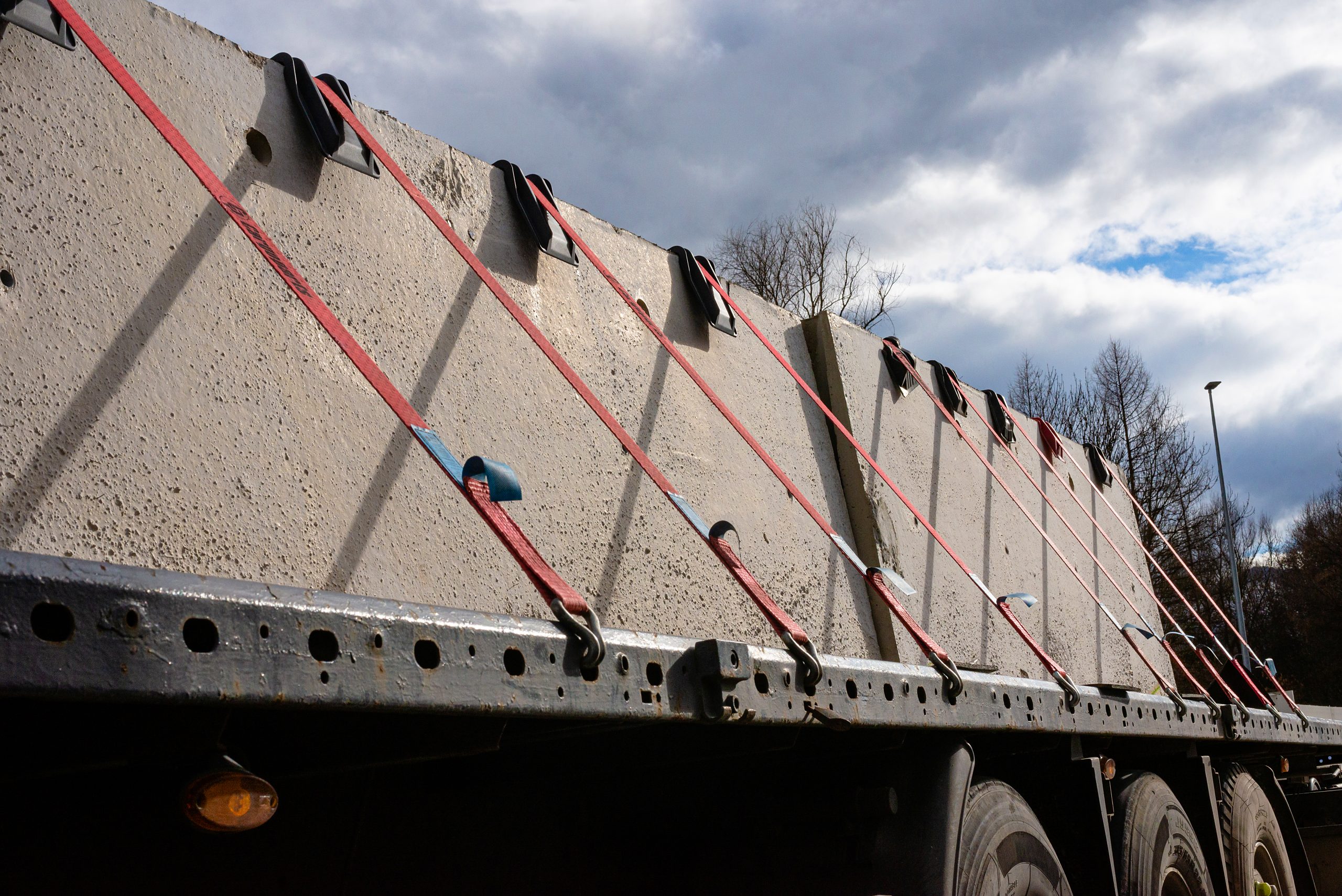
Heavy freight loads that are not properly secured can shift during transport, making the truck unstable and difficult to control. Shifting cargo can lead to rollovers, jackknifing, or loss of vehicle control, particularly on turns or during sudden braking. Employers are responsible for ensuring safe loading practices to prevent these hazards.
Weather and Road Conditions
Rain, snow, ice, fog, potholes, or poor lighting can all contribute to truck accidents. Even highly trained drivers may struggle in adverse conditions, making it essential for companies like R+L Carriers to enforce safety policies and provide adequate guidance for hazardous driving.
Other Drivers
Accidents are not always caused solely by the truck driver. Other motorists who speed, drive recklessly, or fail to yield can collide with R+L Carriers trucks, compounding liability issues. Investigating all involved parties is necessary to determine responsibility in multi-vehicle crashes.
Who Can Be Held Responsible?
Liability in R+L Carriers truck accidents can involve multiple parties. Understanding who may be responsible is essential for pursuing fair compensation for your injuries. Potentially responsible parties include:
The Truck Driver
The driver may be liable for negligent behaviors such as speeding, distracted driving, or failing to comply with traffic laws. Even minor mistakes can have severe consequences when operating a large freight truck.
R+L Carriers
As the employer, R+L Carriers can be held accountable if corporate policies, unrealistic delivery schedules, or inadequate training contributed to the accident. Corporate liability is particularly relevant for crashes that occur near their Wilmington, Ohio headquarters or along company-assigned routes.
Vehicle Owners or Leasing Companies
Some trucks are leased or maintained by third-party companies. If the vehicle was unsafe, improperly maintained, or defective, liability may extend to the owner or lessor.
Maintenance or Repair Providers
Improper servicing, faulty part installation, or overlooked mechanical issues can create hazardous driving conditions. Maintenance providers who fail to address these problems may share responsibility for an accident.
Manufacturers of Defective Vehicle Parts
If a crash was caused by defective brakes, tires, steering systems, or other vehicle components, the manufacturer may be held liable under product liability laws. Defective parts can significantly increase the severity and frequency of accidents.
Other Drivers
In multi-vehicle crashes, another motorist may have contributed to the accident through reckless or negligent driving. Multiple parties may share liability, and each must be evaluated during the claims process.
Determining responsibility in R+L Carriers truck accidents often requires reviewing police reports, vehicle maintenance records, cargo documentation, and witness statements. An experienced R+L Carriers truck accident lawyer can thoroughly investigate the crash and identify all parties who may be legally responsible for your injuries.
Types of Injuries From R+L Carriers Truck Accidents
Truck accidents involving R+L Carriers vehicles can cause serious and sometimes life-altering injuries due to the size, weight, and heavy freight loads of these trucks. Victims may face both immediate medical challenges and long-term recovery needs, including:
- Broken bones and fractures – The impact of a collision can easily fracture bones in the arms, legs, ribs, or pelvis. These injuries often require surgery, immobilization, and extensive physical therapy to restore mobility.
- Spinal cord injuries – Damage to the spine may result in chronic pain, nerve impairment, or even partial or permanent paralysis. Recovery can be long-term and may involve ongoing medical treatment, adaptive equipment, and lifestyle adjustments.
- Traumatic brain injuries (TBI) – Head trauma from a truck accident can cause concussions, memory loss, cognitive challenges, and long-term neurological complications. TBIs may require rehabilitation, therapy, and monitoring for years after the accident.
- Internal organ damage – Blunt force from a heavy truck collision can injure vital organs such as the lungs, liver, kidneys, or spleen. These injuries can be life-threatening and often require immediate surgical intervention.
- Soft tissue injuries – Strains, sprains, ligament tears, and whiplash are common in truck collisions. These injuries can cause persistent pain and may require months of physical therapy or other treatment.
- Psychological trauma – Experiencing a severe accident can lead to anxiety, depression, or post-traumatic stress disorder (PTSD). Emotional and mental health impacts are often long-lasting and may require counseling or therapy.
Prompt medical attention is crucial for your health and is also a key component of documenting injuries for a personal injury claim. Early treatment and thorough medical records can make a significant difference when pursuing compensation.

Do You Have a Case? Get Your 100% Free Evaluation Today