On This Page
Hazardous Materials Spills
Getting into an accident with a tractor-trailer is terrifying. When that truck is carrying hazardous materials (hazmat), the consequences can be devastating. Exposure can trigger severe burns, respiratory injuries, neurological harm, or long-term illnesses, and cleanup can shut down highways and neighborhoods for hours or days. If you were involved in an Ohio truck accident that resulted in a hazardous materials spill, call Kisling, Nestico & Redick to protect your health, your rights, and your claim.
Contact us today at 1-800-HURT-NOW for a free and confidential case consultation.
What Counts As “Hazardous Materials” On Ohio Roads?
Federal law defines hazmat as substances that pose an “unreasonable threat” to health, safety, or the environment during transportation. Common classes include:
- Class 1 – Explosives
- Class 2 – Gases (compressed, liquefied, or toxic inhalation hazards)
- Class 3 – Flammable/Combustible Liquids
- Class 4 – Flammable Solids (including dangerous when wet)
- Class 5 – Oxidizers & Organic Peroxides
- Class 6 – Toxic & Infectious Substances
- Class 7 – Radioactive Materials
- Class 8 – Corrosives
- Class 9 – Miscellaneous Hazardous Materials
By rule, tankers and trailers carrying hazmat must display diamond-shaped placards on all four sides identifying the hazard class and UN number so first responders can act quickly and safely.
Hazmat Trucking Is Heavily Regulated
While all commercial trucks must follow safety rules, hazmat carriers face additional requirements under federal Hazardous Materials Regulations (HMR) and FMCSA rules. Key safeguards include:
- Driver Credentials – CDL with Hazardous Materials (H) endorsement, and Tanker (N) when applicable; background checks and recurrent training.
- Permits & Routing – Hazardous Materials Safety Permits (HMSP) for the most dangerous cargos and compliance with route restrictions and parking rules.
- Shipping Papers & Emergency Info – Accurate descriptions, placarding, and emergency response guidance must accompany each load.
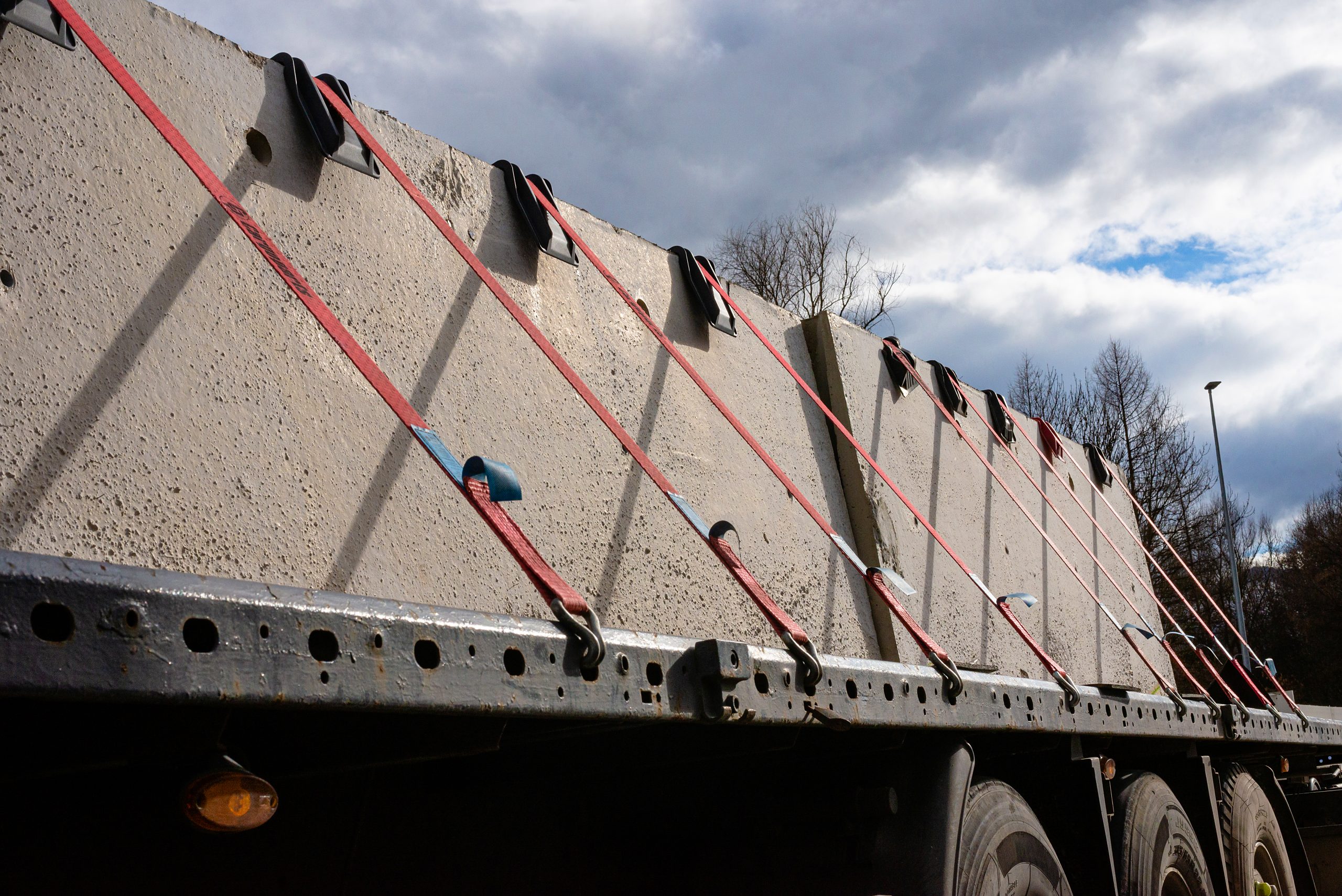
- Packaging & Securement – Approved tanks/containers, valve protection, seals, and proper loading to prevent leaks, shifts, or rollovers.
- Inspection & Maintenance – Documented pre-trip checks, periodic tank tests, and immediate repair of defects.
What Happens When Hazardous Materials Spill
Spills can harm both people and the environment. Examples include:
- Toxic Releases – Corrosives and toxic burn skin and lungs; inhalation hazards can cause rapid respiratory failure.
- Explosions & Fires – Flammables increase the risk of flash fire or BLEVE-type explosions after impact.
- Environmental Contamination – Leaks can infiltrate soil and waterways, triggering evacuations and costly remediation.
Common Causes Of Hazmat Spill Crashes
- Driver Error – distraction, speeding, tailgating, fatigue, or impairment.
- Poor Training/Supervision – inadequate hazmat handling, route planning, or emergency procedures.
- Improper Loading/Securement – overfilled tanks, unsecured valves, or shifting cargo.
- Equipment Failure – tire blowouts, brake loss, leaking fittings, defective tank components.
- Work-Zone & Weather Factors – tight merges, sudden lane shifts, black ice, or low visibility.
Who’s Liable for a Hazmat Truck Accident?
Multiple parties can share responsibility depending on the facts:
- Truck Driver – unsafe operation, HOS violations, or hazmat handling errors.
- Motor Carrier/Trucking Company – negligent hiring/supervision, poor maintenance, or unsafe dispatch policies.
- Shipper/Loader – mislabeling, bad packaging, or improper loading/securement.
- Tank/Component Manufacturer – defective valves, manways, or tank design (product liability).
- Maintenance Provider – negligent inspection or repairs.
- Third Parties – other motorists, contractors, or public entities contributing to the crash.
Your Legal Options after a Hazardous Material Accident
If a negligent driver or company caused a hazmat spill, you can pursue compensation for medical expenses, lost wages, diminished earning capacity, pain and suffering, disfigurement, and long-term care. In fatal cases, the surviving family may bring a wrongful death claim. Speak with a truck accident attorney early to preserve evidence and maximize recovery.
How KNR Builds A Hazmat Truck Case
We move fast to capture time-sensitive proof and develop a strong theory of liability:
- Obtain dash/body-cam video, 911 audio, and first-responder reports
- Secure ELD/telematics, GPS breadcrumbs, and ECM data
- Collect shipping papers, SDS, placard records, and load diagrams
- Audit CDL endorsements, training files, and driver qualification records
- Review inspection/maintenance logs, tank test certificates, and repair orders
- Engage experts in accident reconstruction, hazmat handling, fire science, and toxicology
We also coordinate with treating physicians and life-care planners to document your prognosis and future needs, strengthening settlement value and trial readiness.
Further Reading: Investigating Truck Accidents, Federal & State Trucking Regulations, and Truck Accident Damages & Losses.

Do You Have a Case? Get Your 100% Free Evaluation Today