Why Construction Vehicle Collisions Cause Catastrophic Losses
These machines are extremely heavy with long stopping distances and wide turning radiuses. Once a hazard is detected, there may be little time to avoid impact. If a driver is poorly trained or unqualified, or isn’t paying attention, risks escalate quickly.
KNR’s priority is maximizing your recovery for damages such as:
- Medical Bills (ER, surgery, rehab, prescriptions, medical devices)
- Lost Wages & Loss of Earning Capacity
- Pain and Suffering & Mental Anguish
- Disfigurement & Permanent Impairment
- Loss of Consortium
- Out-of-Pocket Costs & Future Care Needs
Construction Vehicles Endanger Pedestrians & Motorists
Ohio’s roads are frequently widened, resurfaced, and rebuilt. With growth across our cities and suburbs, drivers and pedestrians routinely pass active work zones. Narrowed lanes, shifted traffic, or unprotected crossings add risk—especially when construction vehicles enter or exit the site.
Common Causes of Construction Vehicle Accidents
These crashes usually trace back to preventable safety failures:
Driver Error
Operator negligence includes distraction, failure to maintain a proper lookout, fatigue, impairment, speeding, and unsafe turns across live traffic.
Negligent Hiring or Retention
Employers must ensure operators are properly licensed, trained, and supervised. Hiring or keeping unqualified drivers—or ignoring red flags—can make the company liable for injuries.
Blind Spots & Backing Dangers
Heavy equipment has large blind spots and elevated cabs. Backover incidents occur when spotters aren’t used, backup alarms fail, or cameras/mirrors are missing or ignored.
Equipment Failure
Poor maintenance, defective parts, and unsafe designs can cause brake failures, steering issues, hydraulic malfunctions, or tire blowouts.
Improper Loads & Securement
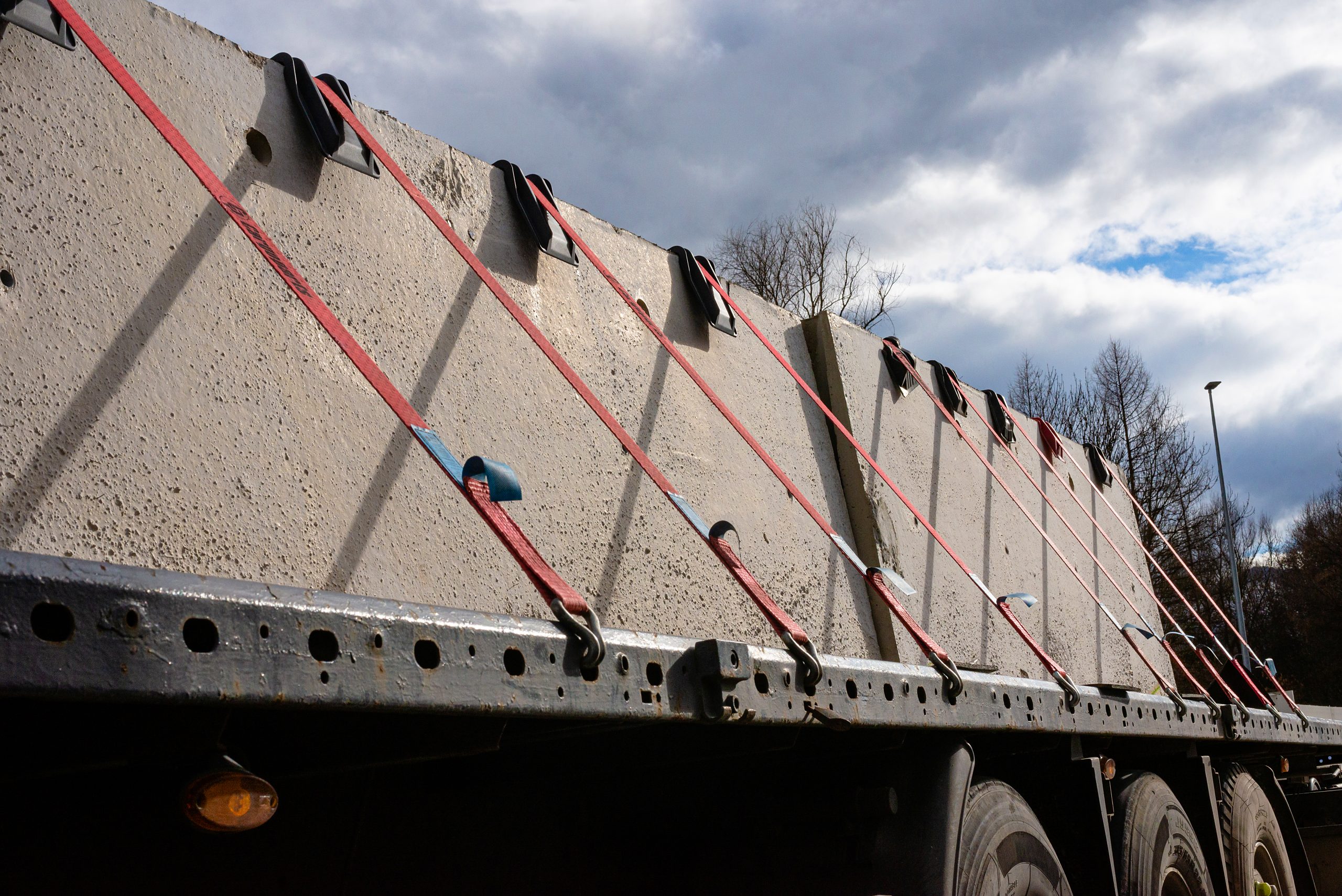
Unbalanced or unsecured cargo can shift or fall, leading to rollovers, jackknifes, or hazardous debris in the roadway.
Who Can Be Liable After a Construction Vehicle Crash?
Ohio applies negligence and comparative fault. Several parties may share responsibility depending on where, how, and why the crash occurred:
- Vehicle Operators & Drivers – unsafe backing, speeding, distraction, impairment.
- Contractors & Subcontractors – negligent hiring/supervision, lack of spotters, ignoring safety plans.
- Trucking / Hauling Companies – poor maintenance, hours-of-service violations, unsafe dispatch policies.
- Equipment Manufacturers / Distributors – defective components or designs (product liability).
- Maintenance Providers – negligent inspection or repair that leads to failure.
- Project Owners / Construction Managers – unsafe traffic control plans, inadequate barriers or signage.
- Public Entities – hazardous road conditions or missing warnings (subject to notice/immunity rules).
Insurance, Workers’ Compensation, and Third-Party Claims
If you were an on-site worker, you may have a workers’ comp claim and a third-party claim against a negligent driver, subcontractor, or manufacturer. If you were a motorist or pedestrian, your recovery may come from the at-fault company’s commercial policy, the driver’s liability coverage, excess/umbrella insurance, or your own UM/UIM coverage if a contractor’s vehicle fled the scene.
What To Do After a Construction Vehicle Accident
- Call 911 and request police/EMS; obtain the report or incident number.
- Seek Medical Care right away—even if symptoms are delayed.
- Document the Scene with photos/video of vehicles, lanes, signage, cones, lighting, skid marks, debris, and injuries.
- Capture Company Details such as vehicle numbers, logos, and USDOT/PUCO identifiers.
- Preserve Evidence (damaged items, black box/telematics, work orders); don’t authorize repairs.
- Avoid Recorded Statements to insurers until you speak with a lawyer.
- Call KNR to secure work-zone plans, maintenance logs, ELD/telematics, and witness statements.
KNR’s Construction Vehicle Lawyers Can Help
If you were injured in an accident with a construction vehicle, contact us at KNR right away. We will investigate the accident, determine who is liable, and pursue the maximum compensation possible. We understand the federal and state rules for work zones and commercial vehicles and will advocate for you at every step.
Frequently Asked Ohio Construction Accident Questions
How Are Construction Zone Crashes Different From Other Truck Accidents?
They involve complex work-zone traffic control, multiple contractors, and equipment moving in tight spaces near the public. Liability often turns on whether the plan, signage, spotters, and fleet maintenance met applicable standards, and whether contractors coordinated safely.
Who Pays If I Was Hit By a Dump Truck?
Potentially the driver, the hauling company, the prime contractor, or a subcontractor that overloaded the truck. KNR traces contracts and insurance layers to identify all responsible parties and available coverage.
What If I Was Working When the Accident Happened?
You may have a workers’ compensation claim and a third-party negligence claim against non-employers (e.g., subcontractors or manufacturers). Third-party claims allow recovery for pain and suffering and other losses not covered by workers’ comp.
Do I Need to Prove a Specific Safety Rule Was Violated?
No. You must prove negligence—duty, breach, causation, and damages. Evidence like missing spotters, non-functioning alarms/cameras, or poor maintenance can establish a breach even without a formal citation.
How Long Do I Have to File an Injury Lawsuit in Ohio?
Generally, two years from the date of injury. Claims involving public entities may require earlier notice, so act quickly to protect your rights.
What Compensation Can I Recover after an Accident with a Construction Vehicle?
Medical expenses, lost wages, loss of earning capacity, pain and suffering, disfigurement, and other out-of-pocket costs. In wrongful death cases, eligible family members may recover funeral expenses and other damages.
How Does KNR Prove Fault in Heavy-Equipment Cases?
We secure work-zone plans, maintenance records, operator qualifications, ELD/telematics, GPS breadcrumbs, and witness statements, and retain experts in reconstruction, human factors, and fleet maintenance as needed.
Can I File a Claim If the Construction Vehicle Was Owned by the State or City?
Yes, but the process is more complex. When the vehicle belongs to a government entity—such as the Ohio Department of Transportation or a city public works department—you must file a notice of claim within the statutory period, often within 180 days, due to sovereign immunity laws. KNR can help ensure you meet strict notice and filing deadlines.
Who Investigates Construction Vehicle Crashes in Ohio?
Depending on where the accident occurs, investigations may be handled by local police, the Ohio State Highway Patrol, the Occupational Safety and Health Administration (OSHA), or the Ohio Department of Transportation. KNR’s legal team conducts independent investigations to secure black box data, maintenance records, and work-zone safety plans before evidence disappears.
Are Construction Companies Required to Carry Liability Insurance?
Yes. Ohio requires contractors to maintain commercial general liability and vehicle insurance for work involving heavy equipment or public rights-of-way. Most carry multimillion-dollar policies, which may include additional coverage through subcontractors or project-owner policies. KNR identifies all potential coverage layers to maximize recovery.
Can I Sue a Subcontractor After a Construction Truck Hit Me?
Absolutely. Subcontractors often manage individual pieces of work, like hauling debris or paving. If their employee or vehicle caused your injuries, you can bring a negligence or vicarious-liability claim against that subcontractor in addition to the general contractor or other responsible parties.
Do Work-Zone Warning Signs Affect Liability?
Yes. Missing or poorly placed warning signs, barriers, or flaggers can shift fault to the construction company or project manager. Ohio’s Manual of Uniform Traffic Control Devices (OMUTCD) sets the safety standards for work-zone signage, and violations can be strong evidence of negligence.
What If a Construction Worker Was Injured by a Co-Worker’s Vehicle?
In most cases, the injured worker’s primary remedy is through workers’ compensation. However, if the vehicle was operated by a different employer, subcontractor, or manufacturer, a third-party lawsuit may still be available for additional compensation, including pain and suffering.
Are There Special Rules for Dump Truck or Cement Mixer Accidents in Ohio?
Vehicles like dump trucks and cement mixers are subject to both commercial trucking regulations and specific OSHA construction safety rules. These vehicles often have large blind spots, limited braking distance, and unique maintenance requirements. KNR uses driver-qualification files, ELD logs, and hydraulic system inspections to prove fault in such cases.
How Much Is My Construction Vehicle Accident Case Worth?
The value depends on injury severity, medical costs, lost income, long-term disability, pain and suffering, and insurance policy limits. KNR reviews medical documentation, financial losses, and expert reports to determine a fair settlement or trial value specific to your situation.
How Long Will My Ohio Construction Accident Case Take?
Many cases are resolved within 6–18 months, depending on the complexity of the case, the extent of injury recovery, and the level of cooperation with insurance. Cases involving multiple contractors or government defendants can take longer. KNR focuses on early evidence preservation and negotiation to achieve the best possible outcome efficiently.
Does KNR Handle Construction Vehicle Wrongful Death Cases?
Yes. If a family member was killed in a construction vehicle accident, we help eligible survivors pursue a wrongful death claim under O.R.C. § 2125.02 for funeral expenses, loss of companionship, and future financial support.
What Should I Bring to My Free Consultation?
Bring the crash report, medical records, photos of the scene and injuries, insurance information, witness contacts, and any correspondence from employers or insurers. KNR reviews every detail during your consultation to outline the best path forward.
Hurt by an Ohio Construction Vehicle? Call KNR.
To learn more about your rights after an accident involving a construction vehicle and the process of filing a personal injury claim, contact us at 1-800-HURT-NOW to schedule a complimentary consultation.