
Free Consults & Nothing Unless You Win
Our mission is to get max compensation when you need it. KNR removes the risk and uncertainty from your recovery.
Call Today Get Started Online100,000 + People Helped & Over A Billion Recovered
Insurance companies work so you accept less. We work harder to get everything you deserve, and our record proves it.
Case Results12 Ohio Locations Where You Come First
KNR makes getting answers as easy as possible. As a statewide firm, we’re part of your community and ready to help.
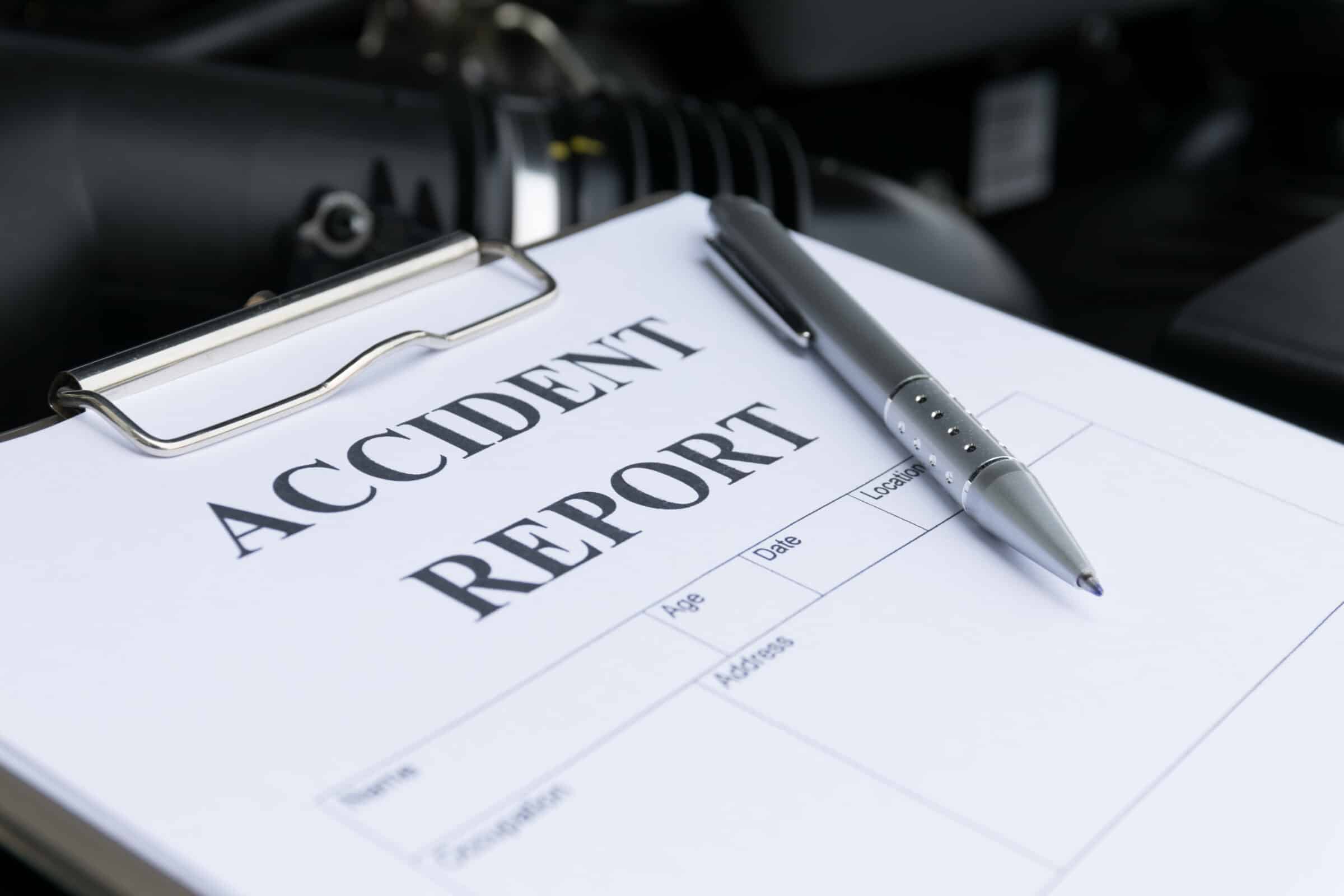
Our LocationsWhen anyone is in an accident in Ohio and the police respond, information regarding the crash is automatically filed with the state and on each driver’s record. Afterward, an Ohio crash report regarding the incident is available online, which you can look up and save or print. The reports you can obtain through the Department of Public Safety’s (DPS) website are not official and cannot be used in court. However, these public records can give you information about an accident, when and where the accident occurred, and the conditions at the time. There are also instances in which you will need to fill out a crash report yourself.
To learn more about what to do after a collision, contact the Ohio car accident lawyers of Kisling, Nestico & Redick at 1-800-HURT-NOW.
An Ohio Department of Public Safety (ODPS) crash report (OH-1) provides a structured snapshot of the collision.
The online ODPS copy is an unofficial, read-only version and may redact some personal details.
A certified report from the investigating agency can include additional narrative and attachments.
The ODPS web report is useful for quick reference, but it may not include all attachments or full personally identifiable information. For court or insurance disputes, request the certified OH-1 (and any supplements) directly from the investigating agency’s records unit.
If an officer responds to your crash, they complete the official OH-1 Traffic Crash Report and submit it to the state. You generally do not need to file a separate crash report in that situation. However, there are scenarios where you should file an additional report with the Ohio Bureau of Motor Vehicles (BMV):
What You’ll Need to File BMV 3303: the crash date/location, identities of the parties, proof the other driver lacked insurance (if known), an itemized repair estimate or medical documentation (to show $400+ property damage or any injury), and at least three identifiers for the uninsured party (e.g., name, address, DOB, Ohio driver license number).
Tip: File promptly (within six months), keep copies of everything you submit, and speak with an attorney about how a BMV filing fits into your broader insurance claim or lawsuit strategy.
Need help deciding whether to file? Call 1-800-HURT-NOW for a free consultation with an Ohio car accident lawyer at KNR.
How to Obtain a Crash Report in Ohio
How to Obtain a Crash Report in Fairfield County, Ohio
How to Submit a Crash Report in Franklin County
Your OH-1 Traffic Crash Report is the first, most relied-upon record of what happened, who was involved, and how injuries and damage occurred.
Adjusters, defense lawyers, and courts use it to reconstruct fault under Ohio’s modified comparative negligence rules
(you can recover if you’re 50% or less at fault; any award is reduced by your percentage of fault). A clear, accurate report—paired with strong
supporting evidence—can be the difference between a low settlement and full, fair compensation.
Use the Ohio Department of Public Safety (ODPS) online crash search to view an unofficial, read-only OH-1 report, or contact the investigating agency for a certified copy. You can search ODPS by crash number, or by date, county, agency, and last name; certified copies (often needed for court) come from the police department or sheriff’s office that handled the crash.
Start with the ODPS crash search and filter by county and date, then check your local police or sheriff’s records unit for recent reports or public logs. Many departments also post incident summaries or blotters on their websites or social media; for certified reports and photos, request them directly from the agency that investigated the accident.
If you know the date and county, search the ODPS database using a last name and agency; if you don’t see a result, contact the likely investigating agency’s records unit to ask about report status. Be aware that some personal information may be redacted online; a certified report from the agency typically contains more detail and attachments (e.g., narratives, diagrams).
Yes—unofficial crash reports can be viewed for free through ODPS, but certified police reports must be requested from the investigating agency (city police, county sheriff, or Ohio State Highway Patrol). Availability and fees vary by agency, and supplemental materials like photos, diagrams, or officer narratives are usually obtained from the agency, not ODPS.
Go to the ODPS crash retrieval site and search by crash number or by date, county, agency, and last name. Unofficial copies are typically free and often appear within two to three weeks (it may take up to six weeks). Download or print for your records, then request a certified copy from the investigating agency if you need one for court or formal claims.
If the Ohio State Highway Patrol (OSHP) investigated your crash, you can order an official copy directly from OSHP’s records portal or by contacting their records section. Reports and photos are typically posted within several business days; expect a small fee for certified reports and additional charges for photographs or media if requested.
Identify the investigating department (from the ODPS listing or your incident card) and request the report from that agency’s records unit in person, by mail, or online if available. Certified copies may be available sooner than the ODPS posting; most agencies charge a modest per-page or flat fee and can advise on how to obtain photos or supplements.
In limited situations—such as a crash involving an uninsured driver with any injury or $400+ in property damage—you may submit the BMV 3303 Uninsured Motorist Crash Report to the Ohio BMV within six months. This is separate from an ODPS police report and can affect the uninsured driver’s license status; speak with an attorney to confirm whether filing is appropriate for your case.
Reports must be completed, approved, and transmitted before ODPS posts them, which can take days to weeks depending on the agency and case complexity. If it’s time-sensitive, call the investigating agency’s records unit to verify status or to request a certified copy directly; complex crashes, injuries, or supplemental investigations can extend posting times.
You can retrieve the report yourself, but an attorney can secure certified copies, supplements, photos, and body/dash-cam, spot errors, and use the OH-1 to challenge fault under Ohio’s modified comparative negligence rules. If an insurer is disputing liability or undervaluing injuries, legal help often improves the outcome and preserves critical evidence early.
Immediately following an accident, you are probably not aware of your rights. You might know that you need to file an insurance claim, yet not understand what you can ask for and how to recover the maximum compensation possible. This can lead to an endless series of questions. What do you do if the insurer denies your claim? Do you have to accept the insurer’s first offer? Can you or do you need to sue?
For answers to your questions, contact the Ohio personal injury lawyers of Kisling, Nestico & Redick. We understand how complex and confusing auto accidents can become when they cause significant property damage and injuries. We will investigate the accident, including reviewing the crash report, to determine liability and explain your best court of action. We will fight for you to receive a beneficial settlement or to obtain the necessary compensation through court.
Call us today at 1-800-HURT-NOW to schedule a free consultation.