
Free Consults & Nothing Unless You Win
Our mission is to get max compensation when you need it. KNR removes the risk and uncertainty from your recovery.
Call Today Get Started Online100,000 + People Helped & Over A Billion Recovered
Insurance companies work so you accept less. We work harder to get everything you deserve, and our record proves it.
Case Results12 Ohio Locations Where You Come First
KNR makes getting answers as easy as possible. As a statewide firm, we’re part of your community and ready to help.
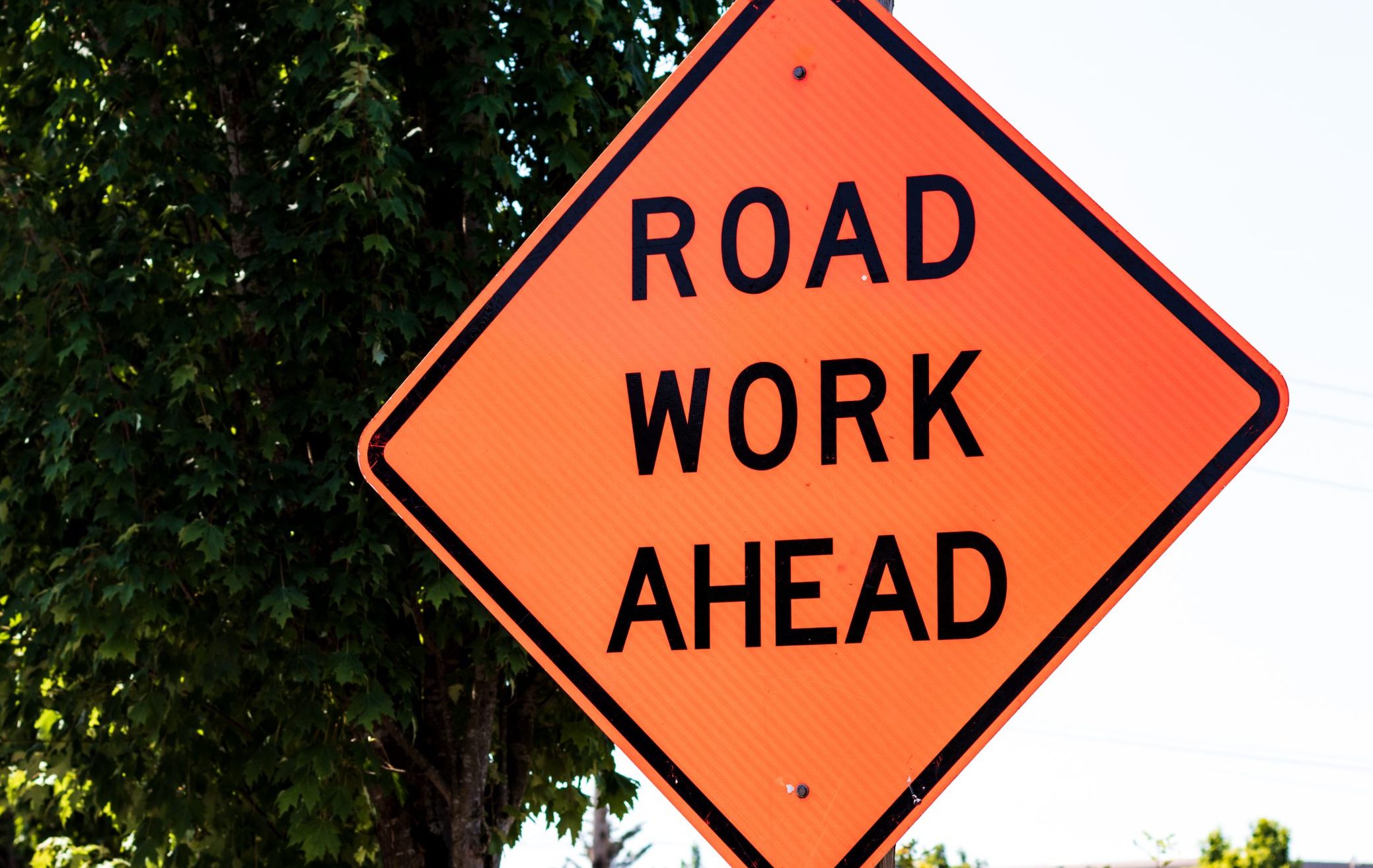
Our LocationsConstruction zones can create dangerous driving conditions. Lanes may narrow or shift, traffic may move at unfamiliar speeds, pavement may be uneven, and construction equipment or debris may be close to moving vehicles. When a crash happens in a work zone, determining who is at fault may require looking beyond the drivers involved.
In Ohio, responsibility for a construction zone accident can depend on the cause of the crash. A negligent driver may be responsible for speeding or failing to follow temporary traffic controls. A construction company may be responsible if its negligence created a dangerous condition. In some cases, a government agency responsible for the roadway may also be liable.
If you were injured in a construction zone accident, an Ohio car accident lawyer can investigate what happened and determine who may be responsible for your injuries and losses.
Construction zones can change the normal flow of traffic and create hazards for drivers, passengers, pedestrians, and construction workers.
Common causes of construction zone accidents include:
Ohio law defines a construction zone as a portion of a roadway open to traffic that is adjacent to an area where construction, reconstruction, resurfacing, repair, maintenance, or public utility work is being performed.
Because conditions can change throughout a construction project, determining what caused an accident may require investigating both drivers’ conduct and the work-zone setup.
In many construction-zone crashes, another driver’s negligence is the primary cause. Drivers have a responsibility to pay attention to changing traffic conditions and follow posted signs, lane markings, speed limits, and other traffic controls. A driver who speeds through a work zone, fails to merge, follows too closely, or becomes distracted may cause a collision.
Ohio also has increased penalties for certain traffic violations in designated construction zones. Depending on the circumstances, speeding and other violations can carry increased penalties when the required signs are posted, and other statutory requirements are met.
However, the fact that another driver violated a traffic law does not necessarily end the investigation. A construction zone may contain other hazards that contributed to the crash.
Potentially. Construction companies and contractors may be responsible when their negligence creates a dangerous condition that causes an accident.
For example, a construction contractor could potentially face liability if it:
Construction work itself does not automatically make a contractor responsible for every accident that happens in a work zone. The specific facts matter.
Ohio courts have recognized that highway construction is an inherently dangerous activity, but determining liability still requires examining the parties’ responsibilities and whether the roadway was maintained and managed in a reasonably safe condition.
In some circumstances, potentially. The Ohio Department of Transportation (ODOT) is responsible for the safety and maintenance of state highways, including those undergoing construction. That does not mean ODOT is automatically responsible for an accident simply because a crash occurred in a construction zone.
Ohio courts have explained that ODOT cannot guarantee the same level of safety during an active highway construction project that motorists would experience under normal traffic conditions. Instead, the question can involve whether ODOT acted sufficiently to keep the highway reasonably safe under the circumstances.
For example, ODOT could potentially face liability if it failed to properly manage or inspect a construction project or knew or should have known about a dangerous roadway condition and failed to address it.
The relationship between ODOT and a private construction contractor can make these cases particularly complicated. A construction company may have contractual responsibilities for work-zone conditions, but that does not necessarily eliminate ODOT’s own responsibilities to the traveling public.
Ohio courts have recognized circumstances in which ODOT may remain responsible for its duties even when construction work has been assigned to an independent contractor.
Construction debris can create a serious hazard when it ends up in an active traffic lane. A piece of metal, construction material, equipment component, or other object can cause a driver to lose control, strike another vehicle, or swerve into traffic. In some cases, the driver who hits the debris may not have done anything wrong.
Determining who is responsible may require finding out where the debris came from and who was responsible for securing or removing it. Potentially responsible parties could include a construction contractor, a subcontractor, a trucking company, a government agency, or any other party involved in the construction project.
Photographs of the roadway, debris, vehicles, signs, barriers, and the surrounding construction area can be particularly valuable after this type of accident.
Warning signs, lane markings, barriers, cones, and other traffic-control devices help drivers understand how they should navigate an active construction area.
If required warnings or barriers are missing, improperly placed, confusing, or inadequate for the conditions, that may become an important part of an accident investigation.
Ohio law requires certain warning signs in construction zones to notify motorists about increased penalties for specified traffic violations and offenses involving injury or death.
However, whether a particular sign or traffic-control device was required depends on the circumstances of the construction project. An attorney may need to review the project’s traffic-control plans, photographs, inspection records, and other evidence to determine whether the work zone was properly established.
Yes. A construction zone accident can involve more than one negligent party. For example, imagine a driver is traveling through a construction zone where a contractor has created a poorly marked lane shift. Another driver is speeding and fails to merge into the appropriate lane, causing a collision.
The speeding driver may have contributed to the crash, but the condition of the construction zone could also be relevant. Depending on the evidence, multiple parties may potentially share responsibility.
Ohio follows a modified comparative negligence system. In general, a person may recover damages even if they are not more than 50% responsible for the harm, although their recovery may be reduced by their percentage of fault. A person who is more than 50% responsible generally cannot recover damages.
Because fault can be divided among multiple parties, identifying every potentially responsible party can be important after a construction zone accident.
Construction zone accident cases often rely on evidence that may not remain available indefinitely. Important evidence may include:
An attorney may also investigate whether the construction company, contractor, or government agency had notice of a dangerous condition before the accident.
For example, if a construction hazard had been reported previously but was not corrected, that information could be important in determining whether someone failed to take reasonable steps to protect motorists.
If you are involved in a construction zone accident, seek medical attention and report the crash to law enforcement.
If you can safely do so, take photographs or videos of the scene. Try to capture the roadway, lane configuration, signs, cones, barriers, construction equipment, debris, and any other conditions that may have contributed to the accident.
You should also collect contact information from witnesses and preserve any photographs or videos you took immediately after the crash. Do not assume that the other driver is automatically responsible. If the construction zone itself contributed to the accident, tell your attorney about anything you noticed at the scene.
Construction companies and government agencies may have records that are important to your claim. Promptly investigating the accident can help identify and preserve evidence before it is lost.
If another person or entity was responsible for your construction zone accident, you may be entitled to compensation for the losses caused by your injuries.
Depending on the circumstances, damages may include:
The value of a claim depends on the nature and severity of the injuries, the financial losses involved, and the evidence establishing liability.
When multiple parties may be responsible, determining all available sources of compensation can be particularly important.
KNR can investigate the circumstances surrounding your construction zone accident to determine how the crash happened and who may be responsible.
Our attorneys can examine the conduct of other drivers as well as the construction project’s conditions, including signs, lane markings, barriers, debris, roadway conditions, and construction equipment.
Depending on the circumstances, an investigation may involve:
A construction zone accident can involve more than a simple driver-versus-driver insurance claim. Understanding who controlled the roadway, who created the hazard, and who was responsible for correcting it can make a significant difference in your case.
The answer depends on what caused the accident. Another driver may be responsible for negligent driving, but a construction company, contractor, subcontractor, or government agency could potentially share responsibility if a dangerous work-zone condition contributed to the crash.
Potentially. A construction company may be liable if its negligence created a dangerous condition that caused your accident. The specific facts and evidence will determine whether a claim can be pursued.
Potentially, but ODOT is not automatically responsible for every accident that occurs on a highway under construction. A claim may depend on whether ODOT failed to fulfill its responsibilities to maintain or manage the roadway safely under the circumstances.
You may have a claim against the driver who caused the crash. However, it can still be worthwhile to investigate the construction zone itself, particularly if road conditions, missing signs, debris, or other hazards contributed to the accident.
Seek medical attention, report the accident, and photograph the debris and surrounding roadway if it is safe to do so. Preserve any dashcam footage or other recordings, and provide your attorney with as much information as possible about where the debris came from.
A construction zone accident can leave you dealing with serious injuries while also raising complicated questions about who is responsible. The driver who hit you may be only one part of the investigation.
Kisling, Nestico & Redick represents people injured in car and truck accidents throughout Ohio. Our attorneys can investigate the circumstances of your construction zone accident, identify potentially responsible parties, and pursue the compensation available for your injuries.
Contact KNR at 1-800-HURT-NOW for a free consultation. You pay nothing unless we win.