

Free Consults & Nothing Unless You Win
Our mission is to get max compensation when you need it. KNR removes the risk and uncertainty from your recovery.
Call Today Get Started Online100,000 + People Helped & Over A Billion Recovered
Insurance companies work so you accept less. We work harder to get everything you deserve, and our record proves it.
Case Results12 Ohio Locations Where You Come First
KNR makes getting answers as easy as possible. As a statewide firm, we’re part of your community and ready to help.
Our LocationsCar accidents impact many throughout Ohio every year. While hundreds are killed, many thousands sustain serious injuries. Insurance companies offer hope to those who need financial help with medical bills and daily expenses during their time of need. However, insurance providers are for-profit companies, and they work to reduce what they pay out.
Having a skilled personal injury lawyer can help you secure a fair recovery that is sufficient to provide for you and your family. Do not delay in contacting a knowledgeable Ohio personal injury lawyer after a serious car accident.
Kisling, Nestico & Redick has decades of experience representing accident victims and we know what it takes to get what’s right from insurance companies. We will investigate your case, compile all the necessary evidence, and aggressively negotiate on your behalf.
Contact us to discuss your options. Call KNR today at 1-800-HURT-NOW . Consultations are free and there’s no cost unless you recover compensation.
The insurance companies generally want cases to go away quickly. They are concerned about losing profits if they pay out too much to those seeking damages.
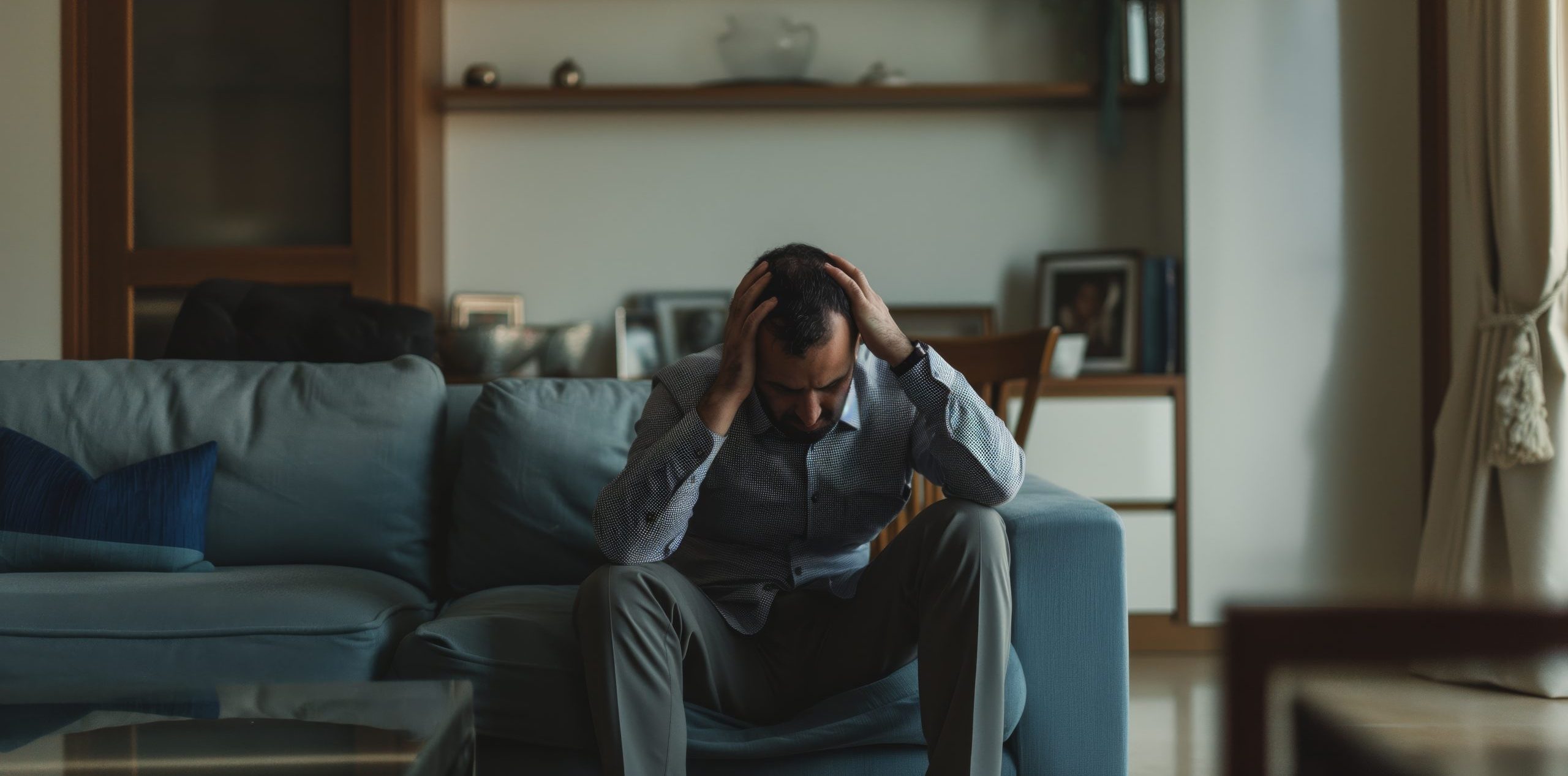
Our attorneys have worked with many clients who are shocked and upset after having their claim denied by their very own insurance provider. Unfortunately, many denials come with little or no explanation, and the injured party is left uncertain about what to do next.
Having a skilled lawyer from the beginning is essential to secure the compensation you need. In addition to requesting that the insurance company act in a timely manner, your lawyer can write a demand letter if your claim is denied. This basically asks them to properly explain the grounds for their decision. Their response will provide valuable insight into their process as your lawyer proceeds with your case for compensation.
Before you pick up the phone to call the adjuster, you need to secure your “paper trail.” A denial is often based on a perceived lack of evidence. To counter this, gather the following immediately:
The insurance company will look for any reason to deny your claim. However, they also understand that you might have a lawyer who will continue to pressure them to pay you the damages you need.
There are various reasons why your insurance claim may be denied. Some of the most common reasons include:
You are not out of options simply because an insurance company has initially denied your claim. Ohio law grants you the right to pursue compensation through a lawsuit if you are harmed by the negligence of someone else. After your claim for damages has been denied, your lawyer may file a lawsuit against one or both of the following:
Hiring a skilled personal injury lawyer as soon as possible is very important if you are ever injured in a car accident. It allows for a strong claim to be built, and it lets the insurance company know that you are serious about recovering compensation.
Insurance companies are wary of fighting with experienced personal injury lawyers. They will typically want to provide a fair financial settlement offer rather than losing a long legal battle at trial.
In Ohio, insurance companies have a legal duty to act in “good faith.” This means they cannot simply say “no” because they want to protect their profits. Under Ohio law, you may have grounds for a bad faith lawsuit if the insurer:
If bad faith is proven, you may be eligible for punitive damages, which are designed to punish the company and can result in a recovery much higher than your original policy limits.
Sometimes, an insurance company won’t deny your entire claim. Instead, they might accept liability for the car damage but deny the medical portion, claiming your injuries were “pre-existing.”
This is a strategic move to get you to accept a small check and sign a release form that prevents you from ever seeking money for your medical bills later. Never sign a partial settlement release without having a lawyer review what rights you are giving up.
Yes. If the at-fault driver’s insurance denies liability, you can often turn to your own Uninsured Motorist (UM) coverage or Collision coverage. Your insurance company will then pay for your immediate needs and “subrogate” (legally pursue) the other company to get their money back later.
In Ohio, an insurer can try to deny a claim for late reporting, but they usually have to prove that your delay actually prejudiced (harmed) their ability to investigate the crash. If there is a police report and physical evidence, a “late” notice of a few weeks is rarely a valid reason for a total denial.
If you receive this, the insurance company is saying they are investigating the claim but might deny it later based on specific policy issues. It is essentially a “legal yellow light.” This is the most critical time to involve an attorney, as the insurer is actively looking for an “out.”
Ohio follows Comparative Negligence laws. You can still recover compensation as long as you are 50% or less at fault. Insurers often use “fault” as a blanket denial tactic to see if you’ll give up. We use evidence like “black box” data and witness statements to push back on their version of the story.
While the general statute of limitations for car accidents is two years, your specific insurance contract may have a shorter window for “filing a suit against the insurer.” This is why having a lawyer review your specific policy language immediately after a denial is critical.
In some cases, yes. If a court finds an insurer acted in Bad Faith—meaning they denied your claim without a reasonable justification—you may be entitled to “punitive damages.” These are designed to punish the company for its unfair behavior and can exceed the original policy limits.
It is better to have an attorney handle all correspondence. When a law firm asks for the “specific policy language” used to justify the denial, the insurer knows they are being scrutinized for potential bad faith. A letter from an attorney carries significantly more weight than a personal appeal.
The insurance company has the resources to help you after an injury causing accident, but they might decide that they don’t need to. Having a knowledgeable and experienced personal injury lawyer is critical if your or a loved one are in this position. Skilled legal counsel can help you understand all of your options for recovering financial compensation and will know the best way to secure a fair result.
We have decades of experience holding insurance companies accountable and a long record of recovering what our clients deserve. Contact Kisling, Nestico & Redick to speak with one of our Ohio attorneys about your case.
Do not delay in contacting us. Call KNR today at 1-800-HURT-NOW .