
Free Consults & Nothing Unless You Win
Our mission is to get max compensation when you need it. KNR removes the risk and uncertainty from your recovery.
Call Today Get Started Online100,000 + People Helped & Over A Billion Recovered
Insurance companies work so you accept less. We work harder to get everything you deserve, and our record proves it.
Case Results12 Ohio Locations Where You Come First
KNR makes getting answers as easy as possible. As a statewide firm, we’re part of your community and ready to help.
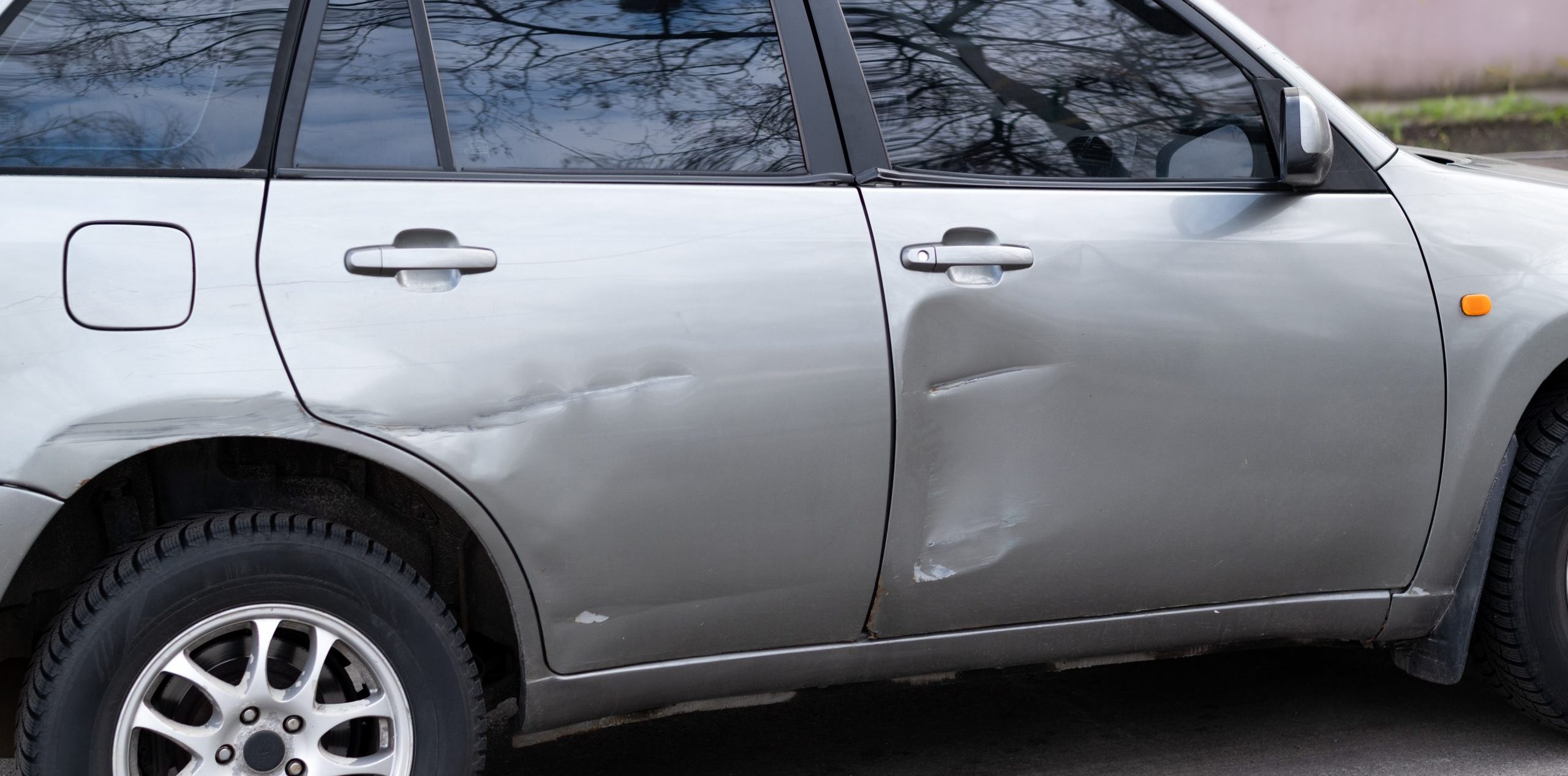
Our LocationsFinding your parked car damaged can be frustrating, especially when the other driver is nowhere to be found. You may be left with a dented bumper, broken glass, or expensive repairs, and no clear idea of who is responsible for paying.
If someone hits your parked car in Ohio, you may be able to recover repair costs through the at-fault driver’s insurance or your own auto insurance policy. Your options depend on whether you can identify the driver, whether they left the scene, and what coverage your policy provides.
Knowing what to do after someone hits your parked car can help you document the damage, protect your insurance claim, and understand your next steps.
If you discover damage to your parked car, document the incident, report it when appropriate, and notify your insurance company. Even if the damage seems minor, preserving evidence can help establish what happened and who should pay.
Take pictures of the vehicle from several angles, including dents, scratches, broken lights, damaged bumpers, and shattered glass. If possible, photograph the surrounding area, nearby vehicles, parking signs, and anything that may help explain how the collision occurred.
Save any available dashcam or security camera footage. These records may help your insurer investigate the claim and determine who was responsible.
Check whether the driver left a note with their contact information or insurance details. Ask nearby witnesses whether they saw the collision or remember the other vehicle.
If the car was parked near a business, apartment complex, or parking garage, ask whether security cameras may have recorded the incident. Request that relevant footage be preserved promptly because some systems automatically delete recordings.
If the driver left without providing the required information, you suspect a hit-and-run, or the circumstances are disputed, contact the local police department or sheriff’s office. Provide any information you have about the other vehicle.
Ohio law generally requires drivers involved in collisions with unattended vehicles to stop and provide identifying information, with requirements depending on where the collision occurred. A police report can document the incident and may help with an insurance investigation.
Report the damage and provide photographs, witness information, and the police report number if available. Review your policy to understand your coverage, deductible, and reporting requirements.
You do not necessarily need to decide immediately which insurance policy to use, but reporting the incident promptly can help protect your options.
The driver who caused the collision is generally responsible for the damage. If you identify the driver and establish that they were at fault, you may file a property damage claim with their auto insurance company.
Ohio drivers generally must maintain financial responsibility for injuries or property damage they cause while operating a vehicle. Liability insurance is one common way to meet this requirement. If the at-fault driver’s policy covers the incident, their insurer may pay reasonable repair costs up to the available policy limits, subject to the policy’s terms and the circumstances of the claim.
For example, if another driver backs into your legally parked car, their insurer may cover the damage if the evidence establishes that the driver caused the collision.
You may also be able to use your own collision coverage. Your insurer will evaluate the claim under your policy, and you will generally have to pay your deductible. Your insurer may then seek reimbursement from the at-fault driver or their insurer through a process called subrogation. If money is recovered, your deductible may also be reimbursed, depending on the circumstances.
If the driver leaves without providing the required information, the incident may qualify as a hit-and-run. Your options depend on whether the driver can be identified and what insurance coverage is available.
A witness, license plate number, security camera, or other evidence may help police or your insurer identify the driver. If the driver is located, you may be able to pursue a property damage claim through their insurance.
Evidence that connects the driver to the collision and establishes fault is important. Do not assume that a vehicle’s presence nearby automatically proves its driver caused the damage.
When the driver cannot be identified, recovering repair costs may be more difficult. If you have collision coverage, you may be able to file a claim through your own insurer, subject to your deductible and policy terms.
Uninsured or underinsured motorist coverage generally addresses qualifying bodily injury claims, not ordinary damage to a parked vehicle. Do not assume it will pay for vehicle repairs after an unidentified driver hits your car.
If you do not have collision coverage, your options may be limited unless the responsible driver can be identified or another source of compensation applies.
Whether your insurance premium increases after someone hits your parked car depends on your insurer, policy, claims history, and the circumstances of the incident.
If another driver clearly caused the collision, that is different from an accident you caused yourself. However, filing a claim under your own collision coverage may still affect your insurance record or future rates, depending on your insurer’s rules and applicable law.
Ask your insurer how the claim will be classified and whether it could affect your premium. You can also compare the estimated repair cost with your deductible.
For example, if repairs cost $900 and your collision deductible is $1,000, filing a collision claim may not provide a financial benefit. If repairs cost several thousand dollars, using your coverage may make more sense.
Do not delay reporting the incident solely because you are concerned about your rates. Your policy may require prompt notice, and waiting can make it harder to document the damage.
If you know who hit your parked car, you may be able to file through the at-fault driver’s insurer or use your own collision coverage.
Before authorizing repairs, ask whether the insurer requires an inspection or a specific type of estimate. Keep copies of repair estimates, receipts, and insurance communications.
If an insurer’s proposed payment does not account for the documented damage, ask for an explanation and supporting information before accepting the settlement.
Parking lot collisions can complicate determining fault. A driver who backs into a legally parked vehicle may be responsible, while a collision involving two moving vehicles may require a closer look at how each driver acted.
The investigation may consider vehicle positions, witness statements, photographs, parking signs, and security footage. Although a parking lot may be privately owned, Ohio law addresses certain collisions on both private property and public roads.
If the incident occurred at a shopping center, apartment complex, workplace, or parking garage, ask the property manager whether security footage is available. However, the property owner is not automatically responsible simply because the collision occurred on its premises. The evidence and applicable law determine who may be liable.
If the driver is identified but has no applicable insurance, recovering repair costs may be more difficult. You may be able to use your own collision coverage or pursue payment directly from the responsible driver. However, winning a claim against an uninsured driver does not guarantee that the person has the financial resources to pay.
Review your policy to determine whether any coverage may help. Your insurer can explain your options, deductibles, and limitations.
If you were also injured in the collision, tell your insurer and consider speaking with a personal injury attorney. Insurance options for bodily injuries can differ from those available for vehicle damage.
A minor dent may be resolved through an insurance claim without legal assistance. However, legal guidance may be useful when the other driver disputes responsibility, an insurer refuses to pay, or the collision caused injuries in addition to vehicle damage.
An Ohio car accident lawyer may help if:
If you suffered an injury, keep records of medical treatment, missed work, and other expenses. Do not assume that a property damage payment resolves a separate bodily injury claim. Review any release carefully before signing it.
Kisling, Nestico & Redick helps injured Ohioans understand their legal options after vehicle collisions. Our attorneys can review the circumstances of an accident, explain your potential insurance options, and help you determine what to do next.
Discovering damage to your parked car can leave you dealing with repair costs, insurance questions, and uncertainty about who is responsible. Taking photographs, reporting the incident, and preserving evidence can help you move forward.
If someone hit your parked car and you were also injured, or you have questions about pursuing an injury claim after a collision, Kisling, Nestico & Redick can help you understand your options.
Call 1-800-HURT-NOW for a free consultation. KNR offers consultations 24 hours a day, seven days a week, and handles qualifying personal injury cases on a contingency fee basis. You pay no attorney fees unless we recover compensation for you under your agreement