

Free Consults & Nothing Unless You Win
Our mission is to get max compensation when you need it. KNR removes the risk and uncertainty from your recovery.
Call Today Get Started Online100,000 + People Helped & Over A Billion Recovered
Insurance companies work so you accept less. We work harder to get everything you deserve, and our record proves it.
Case Results12 Ohio Locations Where You Come First
KNR makes getting answers as easy as possible. As a statewide firm, we’re part of your community and ready to help.
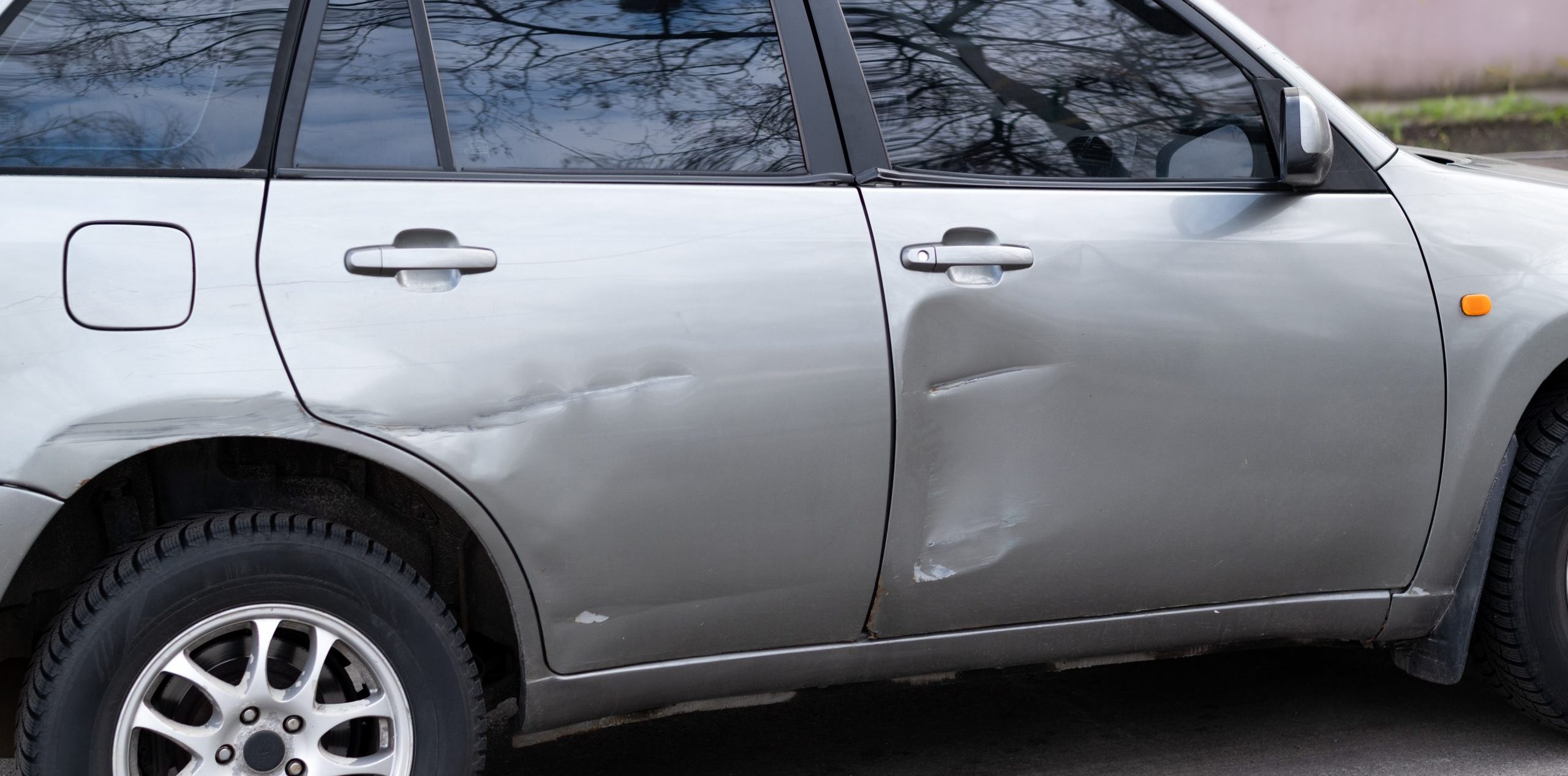
Our LocationsA comprehensive car insurance claim is a claim under your own auto policy for damage to your vehicle that did not come from a collision with another car or object. If your car was stolen, vandalized, damaged by hail or a falling tree, or hit a deer, comprehensive coverage is usually what pays for the repairs, minus your deductible.
Comprehensive insurance only covers damage to your vehicle. It does not pay for your medical bills or anyone else’s injuries, and it does not cover damage from a crash with another vehicle. Before you file a claim, review your policy, because it will determine what is and is not covered.
Comprehensive coverage, sometimes called “other than collision” coverage, pays for physical damage to your car from events you could not control. The most common comprehensive claims include:
Animal strikes are a big part of comprehensive claims in Ohio. The Ohio State Highway Patrol counted 109,507 deer-involved crashes from 2019 through October 2024, with 47% happening in October, November and December. The same bulletin cites an average animal-strike claim of $5,980 in 2023. Our article on deer accidents explains how to lower your risk during peak season.
Ohio does not require you to buy comprehensive insurance. The state only requires liability coverage, which pays for damage and injuries you cause to other people. Comprehensive coverage protects only you and your car.
Even though it is not required by law, comprehensive coverage may be required by someone else. If you lease your vehicle or have a car loan, the leasing company or lender will usually require comprehensive and collision coverage to protect its interest in the car.
Collision coverage pays for damage when your car hits another vehicle or an object, such as a guardrail, pole or tree, or when it rolls over. Comprehensive coverage pays for almost everything else that damages your car. The difference matters because each coverage has its own deductible, and insurers may treat the two kinds of claims differently when setting your rates.
The line between them is not always obvious. Hitting a deer is usually comprehensive, but swerving to miss the deer and hitting a tree is usually collision. A tree that falls on your parked car is comprehensive, while driving into a fallen tree on the road may be treated as collision. If another driver caused a crash, you may not need either coverage, because you can make a claim against that driver’s liability insurance. Our page on property damage claims explains how that works.
First, make sure the damage is covered under your policy. You may need to speak with your insurance agent or an attorney to determine this.
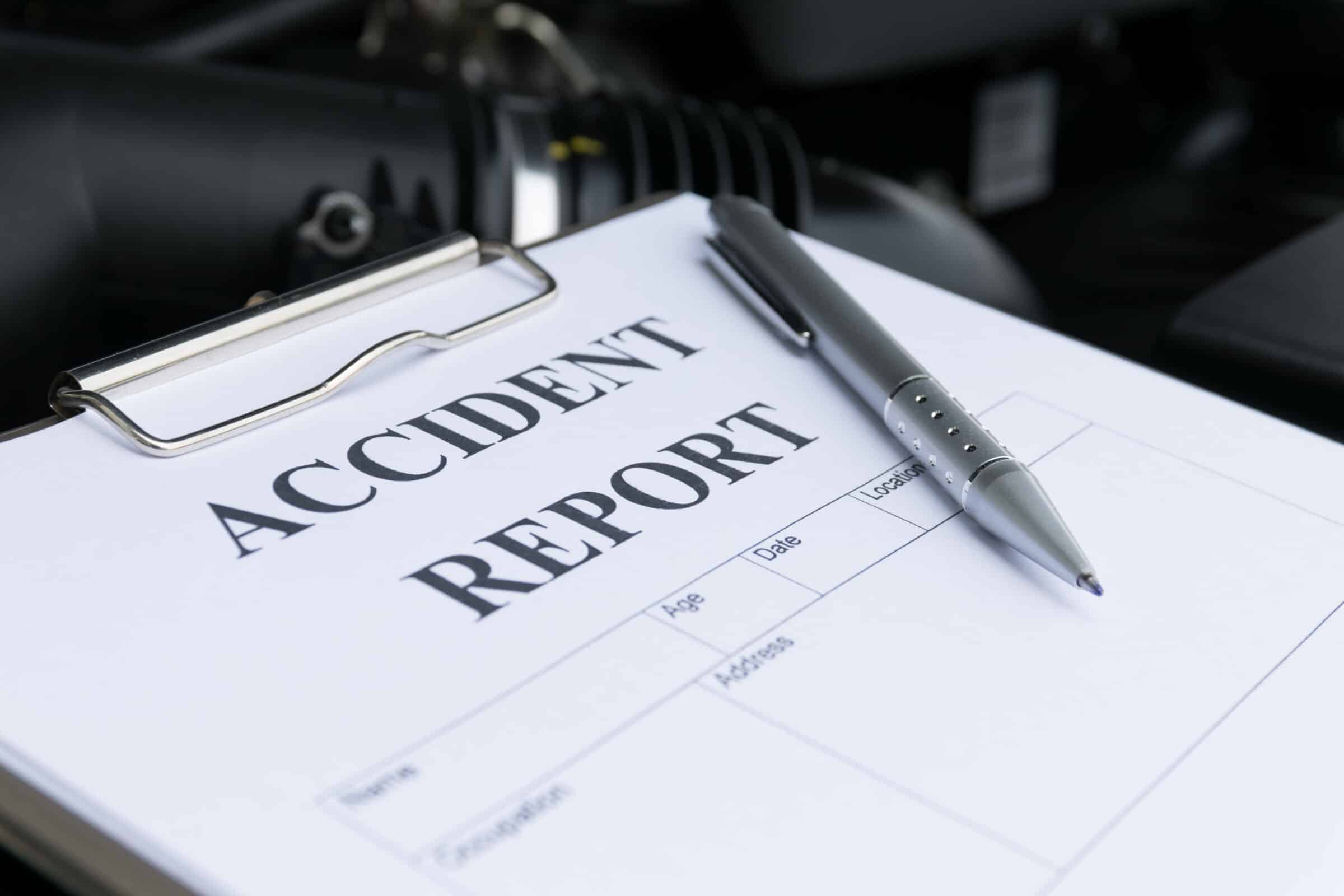
Second, check whether your claim requires a police report. If the damage was caused by a person, such as a theft or vandalism, call the non-emergency police number and file a report. If the damage was caused by weather or an animal, you may not need a police report, though one can still help document a deer strike.
Third, get an estimate of what it will cost to repair the damage and compare it to your deductible. If repairs cost less than your deductible, filing a claim does not make sense, because you will pay it all out of pocket anyway. If the repair cost is close to the car’s value, the insurer may declare it a total loss instead. Learn more about what is a total loss in Ohio and how the payout is calculated.
Fourth, check whether any warranties apply. A warranty on your vehicle or on a damaged part may cover the repair without an insurance claim.
If an individual, group or business caused the damage, contact the Ohio car accident lawyers of Kisling, Nestico & Redick. We can help you give your insurer the evidence it needs and, if your policy does not cover the full loss, hold the person responsible.
Ohio law does not set one deadline for comprehensive claims. Your insurance policy does. Most policies require “prompt” notice of a loss, which means as soon as reasonably possible, and some list a specific number of days. Waiting weeks or months can give the insurer a reason to question when and how the damage happened, or to deny the claim.
Many policies also require you to send a signed proof of loss within a set time after the insurer asks for one, and some require any lawsuit against the insurer to be filed within a limited period after the loss. For theft and vandalism, report the crime to police right away, because insurers often will not pay without a police report. The safest approach is to report the damage to your insurer within a few days and keep a copy of everything you send.
It can, but a comprehensive claim usually has less effect on your premium than an at-fault collision claim. Because theft, hail and deer strikes are not your fault, many insurers do not add a surcharge for a single comprehensive claim. Rates can still rise across a whole area after a bad hail season or a wave of thefts, whether or not you file.
Several claims in a short time can make a difference. Insurers look at your overall claims history, and a pattern of claims can raise your premium or affect whether your policy is renewed. For small losses close to your deductible, it may make sense to pay out of pocket. Ask your agent how your company treats comprehensive claims before you decide.
A comprehensive claim is a claim under your own auto policy for damage to your car that was not caused by a collision with another vehicle or object. It covers things like theft, vandalism, hail, fire, flooding, falling trees and hitting a deer, minus your deductible.
Ohio law does not set one deadline. Your policy does, and most policies require prompt notice, which means as soon as reasonably possible. Report the loss within a few days if you can, file a police report right away for theft or vandalism, and check your policy for any deadline to send a proof of loss or to sue the insurer.
Hitting a deer is usually covered by comprehensive. If you swerve to avoid the deer and hit a tree, guardrail or another car instead, that damage is usually a collision claim, which often has a higher deductible and can be treated differently when your rates are set.
It might, but usually less than an at-fault collision claim. Comprehensive losses are generally not your fault, so many insurers do not add a surcharge for one claim. Several claims in a short period can still raise your premium or affect whether your policy is renewed, so ask your agent how your company handles them.
If your vehicle was damaged and you are not sure whether to file a claim against your comprehensive auto insurance policy, contact Kisling, Nestico & Redick to schedule a free consultation. We can review what happened to your car and who may be responsible, and help with the claim if it is appropriate. Call us today at 1-800-HURT-NOW.