En esta página
Who is Liable When Injured in a Trucking Accident?
After suffering the devastating injuries that usually result from a trucking accident, recovering compensation is probably a top priority.
There is no way you can – or should have to – absorb the medical expenses, future costs, and lost wages associated with being hurt in a crash. Even with your health insurance coverage, you are likely facing hundreds of thousands of dollars in medical bills. You may also need financial help to obtain physical and occupational rehabilitation to cope with the trauma of the experience, and home renovations to facilitate living with a long-term injury or disability.
The damages following a trucking accident should cover all of these expenses and your pain and suffering. However, first, you need to find the appropriate party to hold responsible for the crash. By determining the liable party, you can access the correct insurer or file a valid personal injury claim. For questions about liability following a trucking accident, contact Kisling, Nestico & Redick.
Determining Liability for Ohio Trucking Accidents
Though some clearly are, not all trucking accidents are caused by a driver’s negligence. Depending on the exact factors that caused the accident, the party liable for the damage and your injuries could be a person or business you have never encountered.
For instance, if your accident was caused by an overloaded or improperly loaded truck, the cargo loader or shipper might be liable. If a defective part led to the accident, a manufacturer or assembler could be responsible. Liability could also fall on more than one party. In this case, responsibility may be assigned based on the proportion of that party’s fault.
Potentially liable parties in a truck accident include but are not limited to:
The Truck Driver
Driver negligence is a major contributor to injury-causing truck accidents. For instance, truckers can be distracted, engage in careless maneuvers, like speeding, or drive while overtired – foregoing mandatory rest breaks to drive more miles in a day. These and other reckless behaviors increase the odds of a serious collision and usually point to the driver’s responsibility.
The Driver’s Employer
The company that employs the driver involved in your accident may also share liability. For example, if the company forces its drivers to skip rest times to make deadlines, they are putting other motorists at risk. As a result, they could share financial responsibility for an accident. Other examples of a trucking company being liable for an accident include negligent hiring practices, providing insufficient driver training, and failing to comply with other safety regulations.
The Truck Owner
Sometimes truck drivers are not the owners of the large, complicated commercial vehicles they are operating. If the truck in question is not properly maintained and serviced, the owner may be liable for the damage done by an accident. For instance, if a truck is owned by a large commercial motor carrier, they may have neglected to get the brakes checked when necessary. If an accident occurred because the brakes or another essential system failed, the truck’s owner can be held liable.
The Cargo Loader
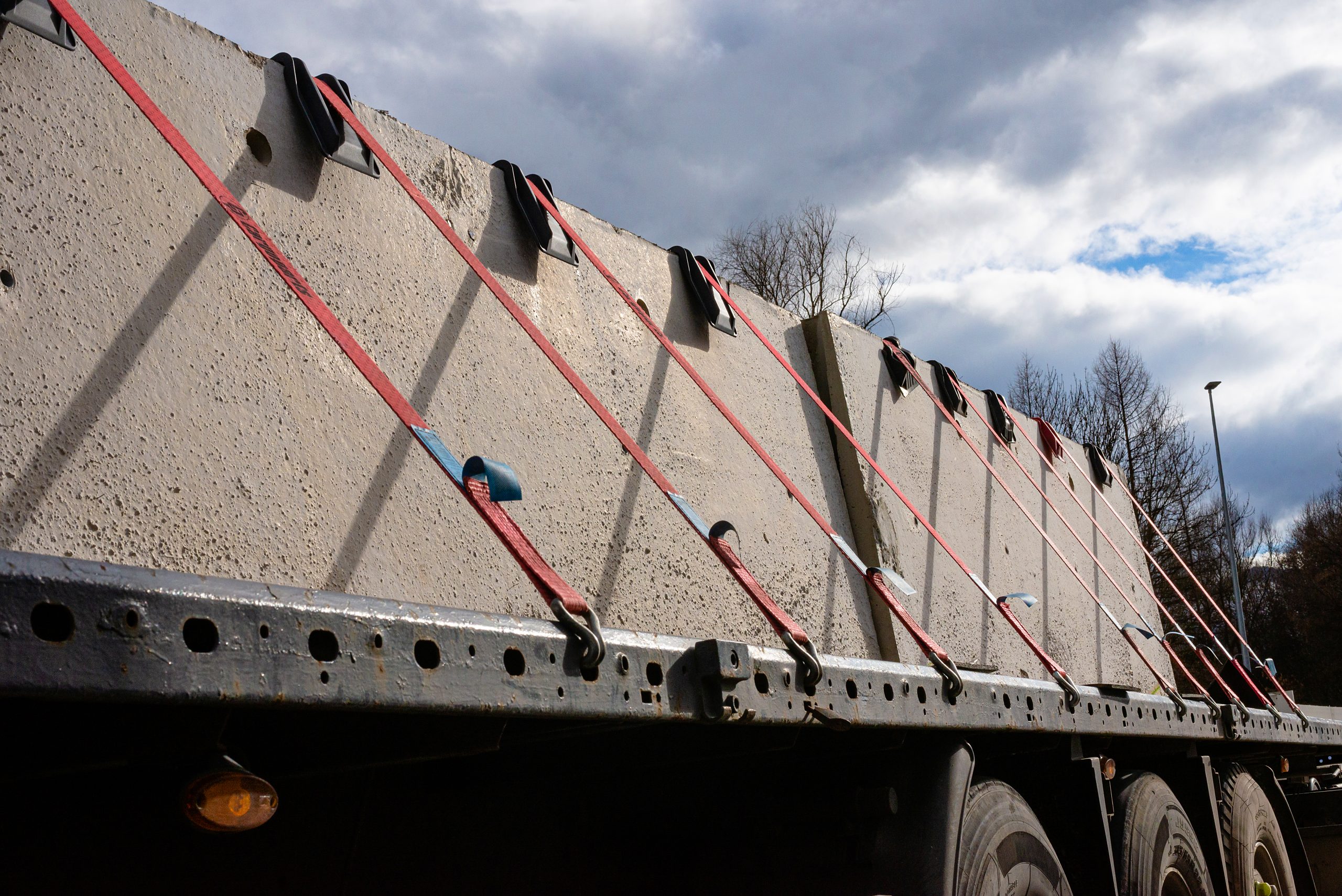
Some truck accidents involve the very cargo or materials being hauled. For instance, if the truck was carrying heavy or hazardous materials, and these materials were overloaded or not properly secured by a careless crewmember, the materials could come loose en route and cause a serious accident. This would potentially make the cargo loader liable for the damage.
The Truck Maintenance Provider
Even if the truck’s owner took steps to get the truck serviced, the company contracted to perform the necessary maintenance must perform the work properly. For example, if faulty equipment or parts were used, and an accident resulted from their carelessness, the negligent truck mechanic or their employer could be liable.
A Truck Part Manufacturer
Some truck accidents are caused by defective parts that were knowingly used. In these cases, the manufacturer of the truck or truck parts may hold liability if there is a defect that causes an accident. Defective truck parts could lead to a tire blowout, mechanical failure, or faulty brakes. In these situations, the manufacturer retains liability for negligently putting defective parts on the market and is often responsible for paying damages.
Another Third Party
In other situations, some other outside party may be responsible for causing a truck accident and should be held liable. For instance, if another passenger car’s reckless driving led to you colliding with a large truck, that driver should be identified and held accountable.
It is important to work with an experienced Ohio trucking accident attorney after being hurt in an accident with a commercial truck. A lawyer will understand how to investigate the situation and can find the responsible party.
Your Recovery is Based on Proving Negligence
After you are hurt in a truck accident and determine the party or parties liable, you must prove negligence through either an insurance claim or a personal injury suit. A negligence claim simply states that a person or company did not act how it should have, and because of this, you suffered a harm that can be compensated.
Proving a negligence claim requires you to demonstrate four specific elements to the insurer or the court:
- La otra parte tenía la obligación de actuar como lo haría una persona razonablemente prudente en circunstancias similares.
- La otra parte incumplió este deber de diligencia
- Las lesiones que has sufrido se deben al incumplimiento de la otra parte.
- Has sufrido lesiones reales, por las que la otra parte puede indemnizarte.

¿Tienes un caso? Solicita hoy mismo tu evaluación 100 % gratuita