En esta página
Accidentes en carreteras peligrosas de Ohio
Various factors can make certain roads more dangerous than others. Traffic volume, location, and the way in which they are constructed can all affect the rate of accidents on roads. The Ohio vehicle accident attorneys at KNR are familiar with the most dangerous roads in Ohio. We represent people who have been injured throughout the state. If you have been involved in an automobile accident, contact us today at 1-800-HURT-NOW to find out how we can help you.
Ohio has the 10th largest roadway system and the 5th largest traffic volume in the country, according to the Ohio Department of Public Safety (ODPS). ODPS reported that someone is injured in a car accident every 5.2 minutes in Ohio, and there were 302,307 recorded car accidents in 2015 alone.
Ohio’s Most Dangerous Roads
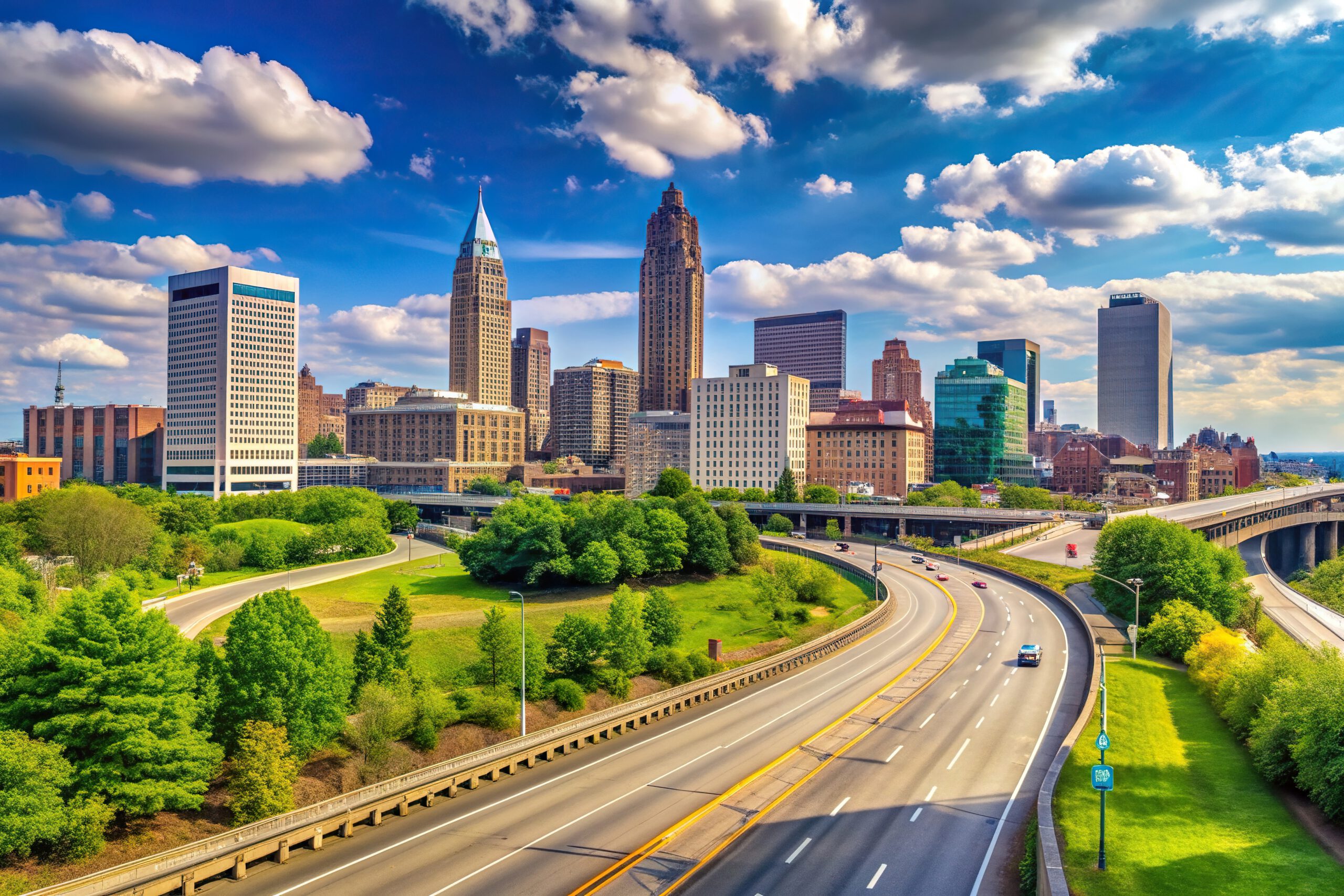
Ohio’s most dangerous roads include sections of I-76, I-90, I-71, I-75, and I-85. In general, the highways and freeways surrounding major cities like Columbus, Cleveland, Cincinnati, Toledo, and Akron can be dangerous due to traffic congestion.
I-75 is ranked as the fifth most dangerous highway in the U.S. based on the number of traffic-related deaths for every 100 miles. Between 2011 and 2015, this interstate saw 47.2 traffic deaths per every 100 miles. Ohio also had the greatest number of fatalities on I-75 compared to the other states it passes through. Cincinnati had the third most fatalities per city on the route, followed by Toledo.
Common Road Hazards & Resulting Accidents
Some road hazards are uncontrollable such as wet roads or debris caused by a storm. However, some road hazards are due to defects that can be controlled. Some of the common road hazards that lead to injury-causing accidents are:
Road Defects
If roads are not properly designed to account for traffic volume, drainage, and usage it can result in dangerous dips, slopes, or curves in the road. Without careful planning, improper lighting and obstacles can block a driver’s view or make busy intersections unnecessarily dangerous.
Roadway Design Issues Include:
- Ungraded or Improperly Graded Curves
- Poor Lighting
- Broken or Missing Guardrails
- Steep or No Shoulders
- Poorly Designed Intersections, Roundabouts, etc.
- Poor Drainage and Standing Water
Failure to Maintain Roads
If roads are not maintained, potholes and cracks develop. When a vehicle hits a pothole, the risk of blowing out a tire or losing control increases. In addition to failing to maintain roads, failure to repair or replace traffic signs, traffic signals, road markers, guardrails, and the shoulder can all contribute to car accidents.
Poorly Maintained Roads Include:
- Roads Left Untreated for Snow & Ice
- Broken Traffic Signs & Signals
- Unaddressed Potholes
- Uneven Surfaces/Cracked Concrete
- Missing Signage
- Unmarked Lanes
Road Obstacles
The placement of signs, utility poles, and other objects on the road can increase the risk of an accident by obstructing the view or creating an unsafe condition. Failing trim roadside vegetation can also limit a motorist’s view.
Road Obstructions Include:
- Neglected Landscaping
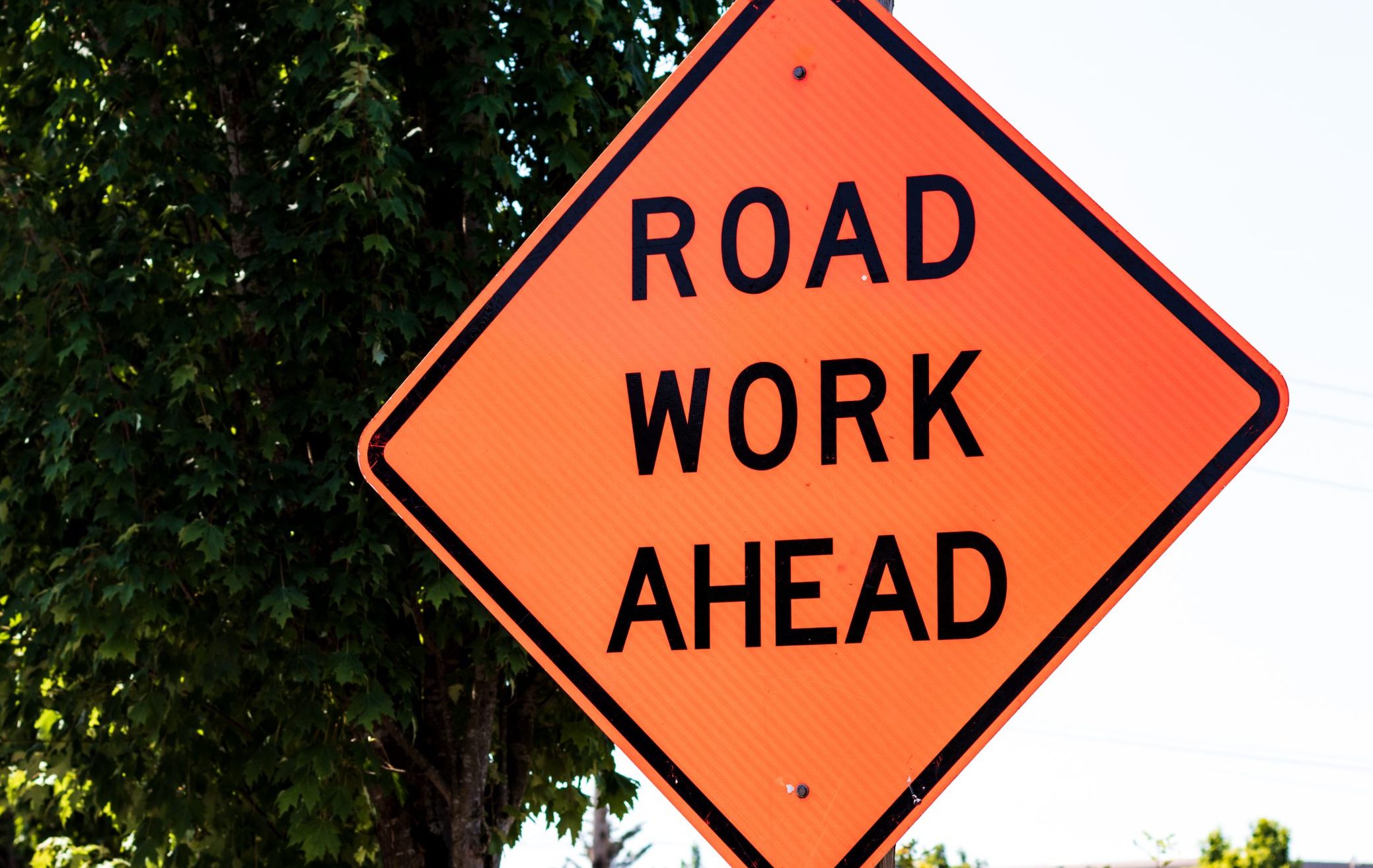
- Poorly Maintained Work Zones
- Downed Utility Poles
- Misplaced Signs

¿Tienes un caso? Solicita hoy mismo tu evaluación 100 % gratuita