En esta página
Ohio Construction Zone Accident Lawyers
There were 4,796 crashes in Ohio work zones in 2021. 35% of these work zone accidents occurred with workers present, resulting in 1,759 injuries and 29 deaths.
As you can see, there’s a reason why fines for speeding and moving violations are higher in construction zones: they are extremely dangerous places. When you combine heavy equipment, narrow lanes, construction workers, and fast-moving cars, you get a recipe for disaster.
What Causes Construction Zone Accidents?
If you get into an accident in a construction zone, you may end up seeking compensation from a construction company or local government instead of another driver. For example, your work zone could have happened because of:
Inadequate Signage
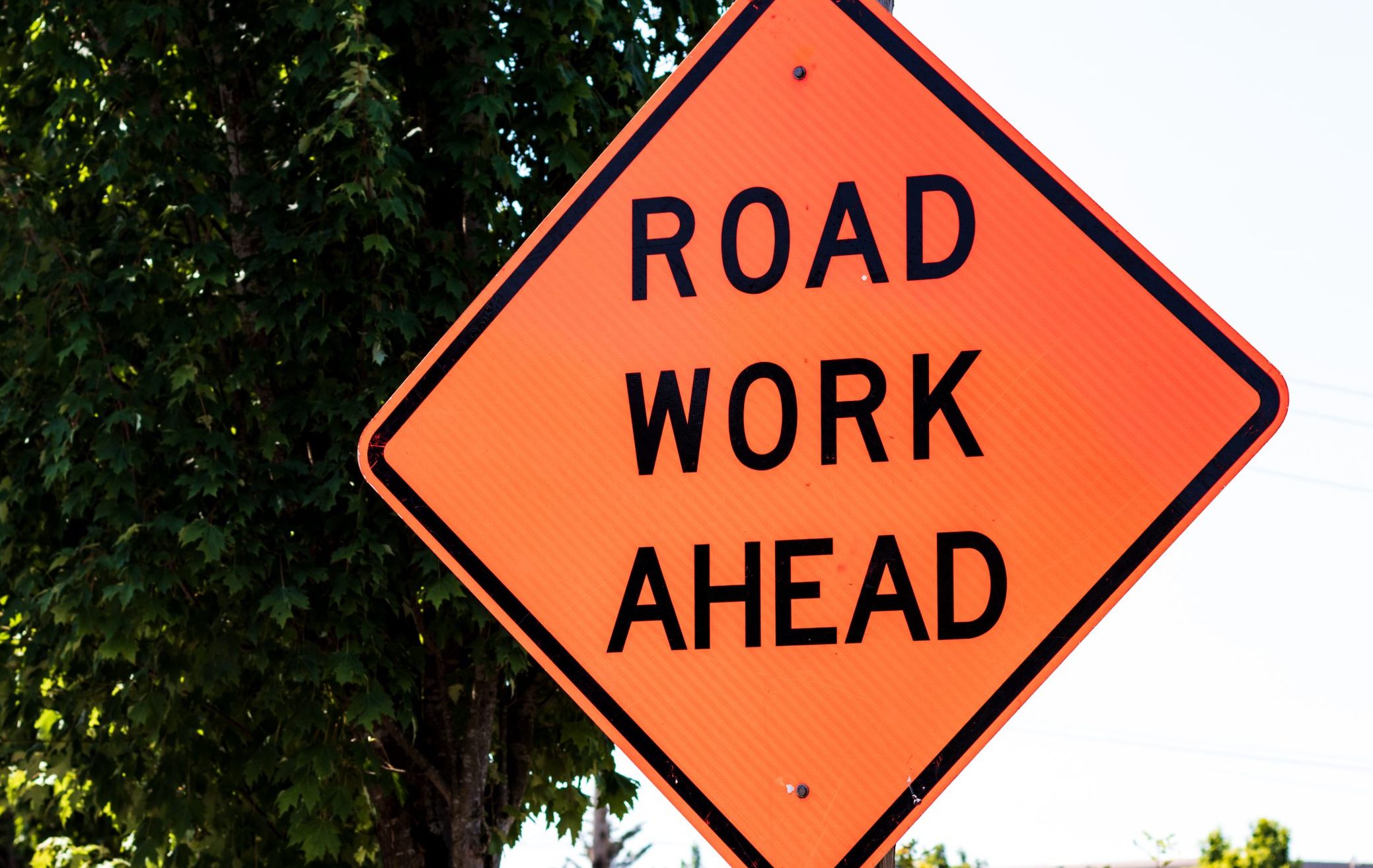
Construction crews need to put up signage to give motorists time to slow down before they reach the work site. There are even state and federal regulations that prescribe when and where signs should be placed. A failure to follow these regulations could be proof of the construction company’s negligence.
Poor Road Conditions
The construction work can make the road too dangerous for drivers. From uneven pavement to construction vehicles obstructing the lanes, there are many ways in which a construction company’s actions can contribute to an accident.
Bad Engineering or Construction
In some cases, the engineers make mistakes that may result in dangerous conditions for motorists or even the failure of the structure being built. Other times, the workers executing these plans take shortcuts that result in injuries or car damage to the motorists passing through the construction zone.
Careless Construction Workers
Even if the accident happened between you and another driver, the people working at the construction site could have negligently caused your injuries.
For example, if a construction vehicle unexpectedly veers into the road, and causes another driver to swerve into you, both the other driver and the construction company could be liable for any resulting damages.
Missing or Inadequate Barriers
Concrete barriers, water-filled barricades, and crash cushions are designed to separate live traffic from active work areas and protect drivers from sudden drops, exposed rebar, or open trenches. When a construction company skips these protections, uses barriers that aren’t rated for the speed of the road, or leaves gaps that funnel vehicles into the work zone, the result can be a catastrophic crash.
Poor Nighttime Lighting
Many construction projects continue after dark, and visibility becomes a serious issue when crews fail to light the work zone properly. Unlit lane shifts, dark detour routes, and reflective signs that have lost their visibility over time can leave drivers with almost no warning before they hit a hazard.
Workers and equipment operating without high-visibility lighting are also at risk of being struck.
Abandoned Equipment and Materials
Even when no one is actively working, a construction zone can remain dangerous. Equipment left in or near travel lanes, stockpiled materials placed too close to the road, and unfilled holes or trenches left overnight can all cause accidents.
If a contractor walks away from a site without securing it, they may be held responsible for any crashes that occur in the meantime.
Failure to Restore Traffic Flow Properly
When a project ends or a phase wraps up, the construction company is responsible for returning the road to a safe condition. This means removing temporary signs, repainting permanent lane markings, taking down barricades, and clearing debris. Drivers who encounter contradictory lane lines, leftover cones, or signs pointing to detours that no longer exist can be caught off guard and end up in a collision.
Reach out to KNR today and we’ll help determine the best way to get compensation for your injuries.
Liability for a Construction Zone Accident
Work zone accidents can happen anywhere, and various parties can share liability. And while work zone accidents are more frequent in high-traffic areas like highways under construction, they are also known to occur in residential areas, or wherever road work is happening.
Determining fault for a work zone accident can be complicated, and a lot depends on the circumstances involved. Generally, a driver or any party whose negligence contributed to the accident is deemed responsible, but things are rarely that cut and dry.
For example, a distracted driver may be speeding in a work zone and cause a collision. But a third party may also share some of the blame if they failed to post proper signage, warning drivers of the area’s work zone status. In this case, an injury victim may file claims against both the distracted driver and the entity responsible for posting warning signs.

¿Tienes un caso? Solicita hoy mismo tu evaluación 100 % gratuita